
App Rescue & Code Audit
Somebody else started your app. We can finish it.
The developer stopped replying. The app has been “90% done” since March. It crashes and nobody can say why. We audit what you actually own, put the truth in writing, and then fix it. If the honest answer is that you should start again, the report says that instead.
Live app down right now? Say so in the form. We answer emergency triage the same day.
Projects go wrong. The agency stopped replying. The freelancer vanished. The app crashes and nobody can find the cause. The store keeps rejecting it. You have paid for six months and there is still nothing live. We pick these up. The first thing we do is not code, it is tell you the truth about what you actually have.
Who reads your code

Anand Yadav
I read the code myself before anyone on my team writes you a report. Seven years and 52 apps means I have seen most of the ways a project goes wrong, and almost none of them are the client’s fault.
I will give you the honest answer even when it costs me the job. If your app can be saved, I will say so and give you the number. If it cannot, I will say that too, and you can take my report to anyone you like. I would rather lose a rescue than sell you one you did not need.
What usually goes wrong
What clients say, and what it actually means
“The agency stopped replying two weeks after the final invoice.”
What it meansThe relationship ended at payment, not at working software.
“Nobody can tell me if this can even be fixed, or if I should just start over.”
What it meansNo one had actually opened the codebase before quoting the fix.
“The store keeps rejecting my app and the developer says it is Apple's fault.”
What it meansThe rejection reason was never actually read.
The audit
Start by knowing what you own
Before anyone talks about fixing anything, you need to know what you have. That is a separate, paid, fixed-price piece of work with a fixed deliverable, Fee needed, delivered in 5 working days for a standard app.
We charge for the audit on purpose. A free review is a sales call with a document attached. When you pay for the audit you are our client for that work, and our only job is to be right. If you go on to work with us, the audit fee comes off the first invoice in full.
What is in the report:
| What is in the report |
|---|
| What is actually built, against what you were told was built |
| Architecture, code quality, security: in plain language, with the technical detail in an appendix |
| Where the crashes come from, with the evidence |
| What is salvageable and what is not |
| Whether finishing is cheaper than restarting, and by how much |
| A cost and a timeline for each road |
| Whether you have everything you need: source, accounts, keys, store access |
| What the current Apple and Google rules mean for your specific app |
Sample report: Sample report needed
Is it worth rescuing
Six questions you can answer yourself
| Question | Yes | No |
|---|---|---|
| Does it build and run today, even badly? | Good sign | Serious, not fatal |
| Do you have the repository, or only a shipped app? | Good sign | Harder. We can still work from a shipped build |
| Does one developer know their way around it? | Good sign | Slower, still doable |
| Did it work before and stop, or has it never worked? | Never worked is harder | |
| Is your data model roughly right, even if the screens are wrong? | Good sign | The expensive case |
| Is anything in it costing you money or users today? | Then start with triage, not the audit |
Three or more on the left and a rescue is usually the cheaper road. That is a rule of thumb, not a verdict. The report is the verdict.
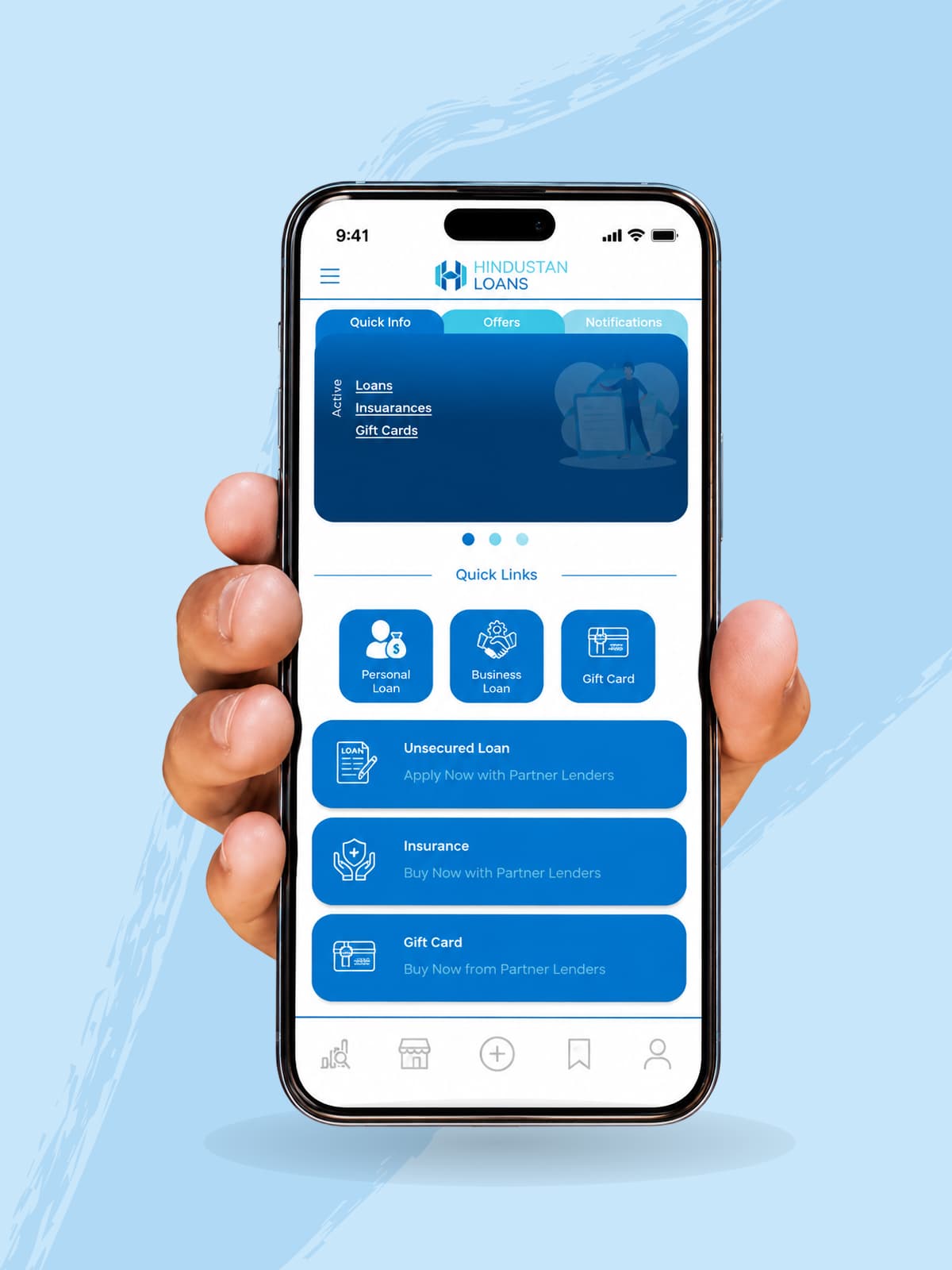
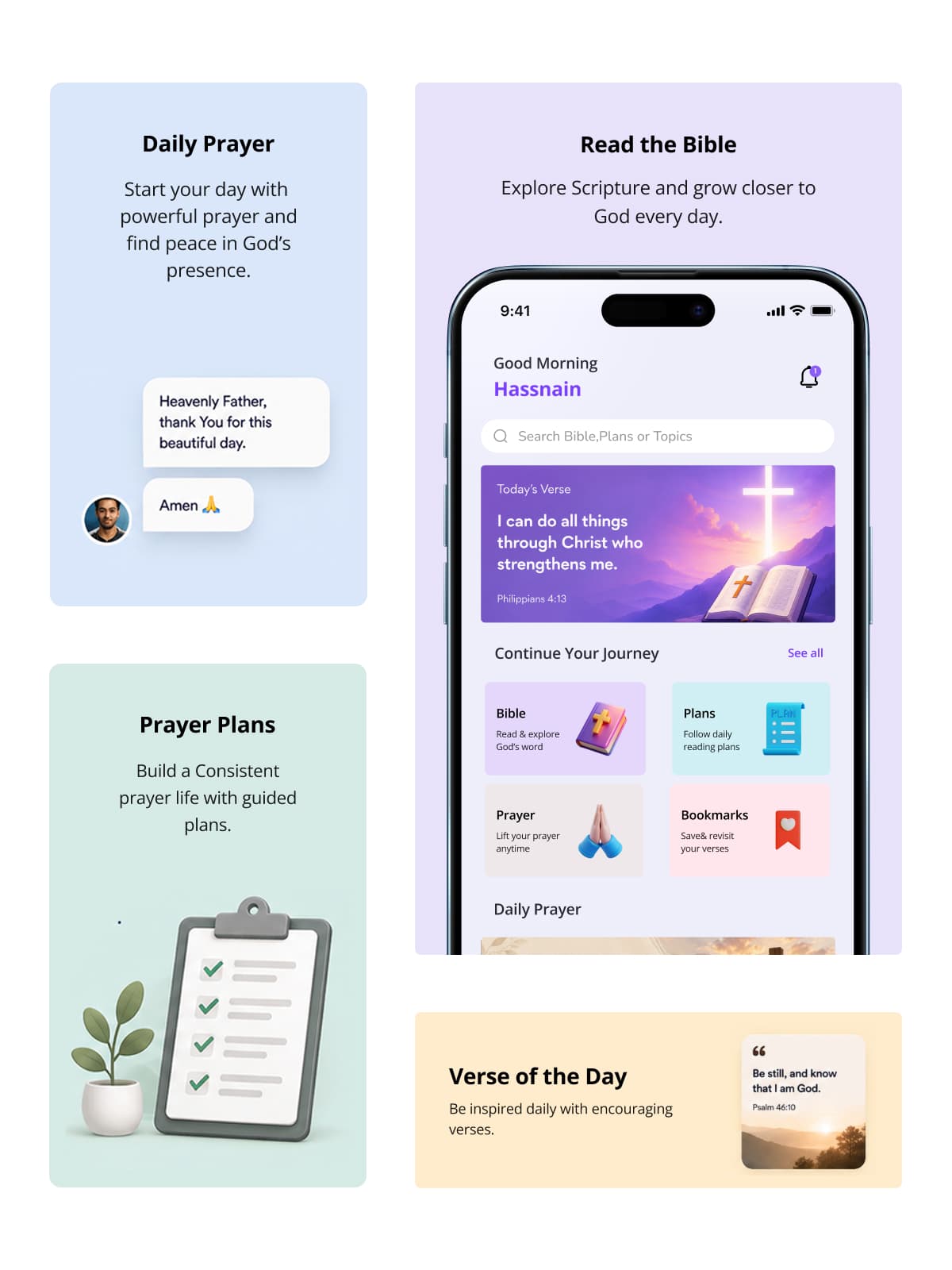
Apps we have defined and built
All case studies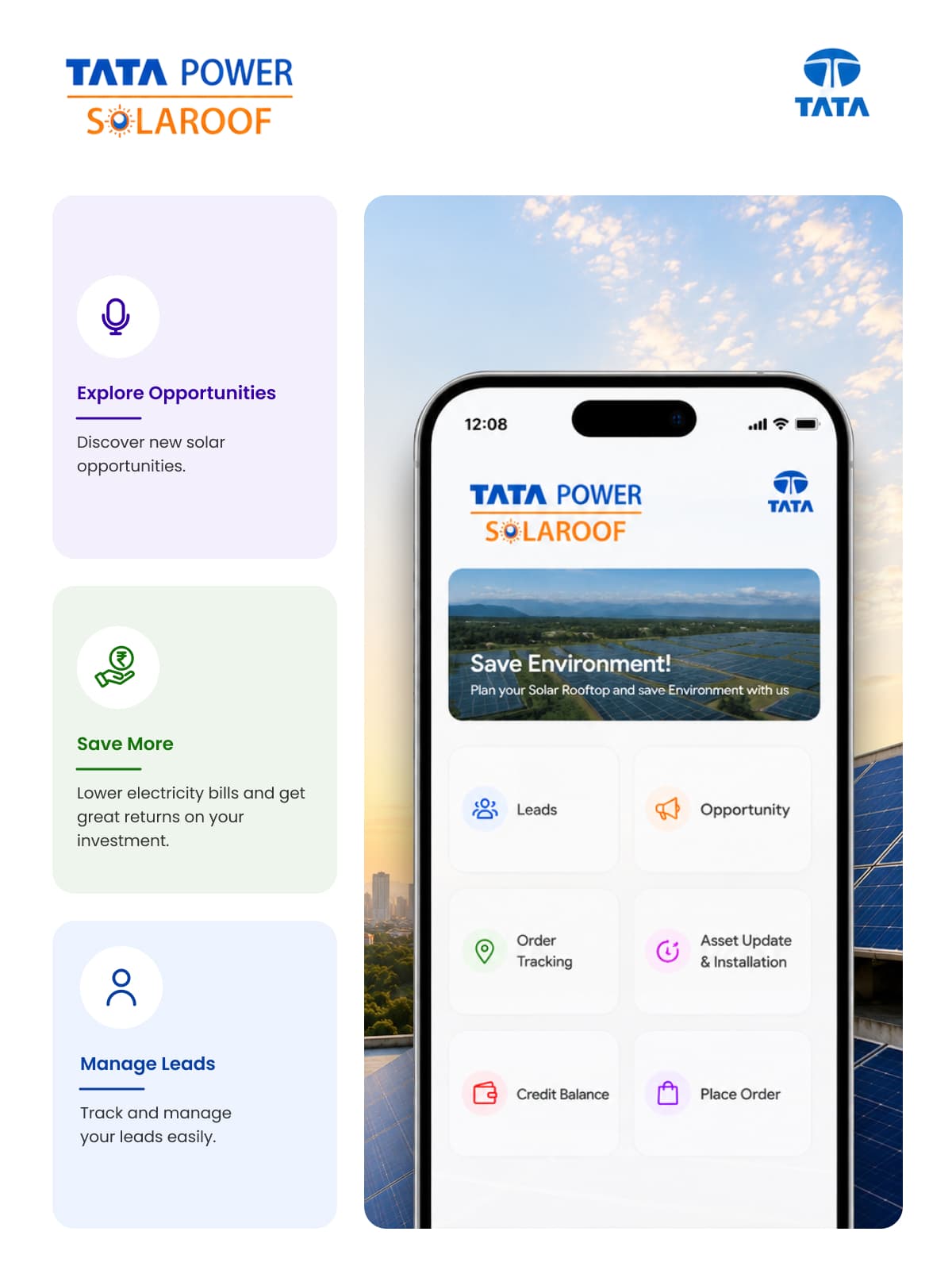
Keep or rebuild
The rule, published before we see your code
We will not tell you to start again just because starting again is easier for us.
Every developer who opens somebody else’s code wants to delete it. This is such a well-known reflex that it was written about twenty-six years ago: “Programmers are, in their hearts, architects, and the first thing they want to do when they get to a site is to bulldoze the place flat and build something grand.” (Joel Spolsky, 2000)
We know we have that bias, so we take the decision out of our hands. Before we open your repository, we send you the questions we will use to decide. The recommendation has to follow from those questions, not from how the code makes us feel.
| We keep and finish it when | We recommend a rebuild when |
|---|---|
| It builds and runs today, even badly | It does not build at all and nobody has the missing pieces |
| The data model is sound, even if the screens are not | The framework or platform version is past the point of upgrading |
| The crashes are in a few places, not everywhere | Fixing one thing reliably breaks two others |
| A competent developer can find their way around it in a day | The cost to finish passes the cost to redo |
Your report shows which of these we hit, on which files, with the evidence. If we say rebuild, hand our report to any other developer for a second opinion. That is what it is for.
Store enforcement & regulatory deadlines
Your app has deadlines, even when nobody is working on it
An abandoned app does not just get old. It gets removed. These dates are Apple’s, Google’s, and regulatory bodies’, not ours.
Xcode 26 & iOS 26 SDK Mandatory
Every new App Store upload must be compiled with Xcode 26 and iOS 26 SDK.
Target API Level 36 (Android 16)
Google Play requires target API level 36 for updates (extensions to Nov 1 available).
24-Hour Vulnerability Reporting
EU Cyber Resilience Act mandates exploited security vulnerabilities must be reported within 24 hours.
Developer Account Verification
Google Play developer identity verification enforced in LATAM & APAC regions.
Dormant App & Crash Purges
Apple removes apps un-updated for 3 years (after 90-day notice). Launch crashes are removed immediately.
Full CRA Security & CE Marking
Enforces security-by-design, mandatory CE marking, and declared support lifecycle periods.
Store Compliance & Mandatory Upgrades
If your app is sitting still, one of these rows is already an active risk. Official requirements: Apple SDK Requirements · App Store Improvements · Google Target API · EU Cyber Resilience Act. Our audit identifies your exact deadline status and costs to clear it.
AI-assisted code rescue
Your app was half-built by AI, and now nobody can move it forward
We see this weekly: an app gets 70% done fast, then stalls completely. The screens look right, but the code underneath repeats itself, lacks structure, and breaks whenever touched.
Code Duplication & Reduced Refactoring
Across 623 million code changes, the share of lines cleaned up or refactored fell from 21% to 3.8%, while duplicated code blocks rose 81% (Source: GitClear).
Debugging Friction & Frustration
In a survey of ~49,000 developers, 66% reported “almost right, but not quite” AI code as their top frustration, and 45.2% found debugging AI code takes longer than writing it from scratch (Source: Stack Overflow Survey).
AI Builds Fast. Senior Engineers Decide What Stays
We use AI coding agents every day. That is precisely why we know where AI cuts corners, which files contain silent traps, and what needs human refactoring before new features can be added securely.
Where we have shipped
Industries we serve







Before the process
First we find out what you actually own
An audit is a reading job before it is a coding job. We open the repo, the store listings, the analytics and the invoices, and we write down what is really there. Only then does the plan below mean anything.

Process
Every step with a duration
Tell us what happened
A 20-minute call. No code needed yet. We just need the story and what you have
Access and paperwork
NDA signed, read-only access to whatever exists. If you have nothing, we start by recovering what we can
We send you the keep-or-rebuild questions
Before we open anything, so you can hold us to them
We read the code
Architecture, quality, security, crash sources, build and release, store readiness
Report and walkthrough call
The document first, then an hour on a call going through it
You decide
Continue with us, take the report elsewhere, or stop. All three are fine
Stabilise
Crashes, security holes, a build and release that works reliably. Stability before features, always
Finish and ship
Complete what is missing, pass store review, launch. Then maintenance or a new build with us
How we work together
| Model | Best for | How it is priced |
|---|---|---|
| Audit only | You need to know what you have, and a number you can plan around | Fixed fee, fixed 5 days. Fee needed. Comes off the first invoice in full if you continue |
| Emergency triage | The app is live and actively broken. Stop the bleeding first, understand it after | Hourly, same-day start |
| Audit then fix | The usual road. Audit, then a fixed scope built from what it found | Fixed scope and price, agreed after the report |
| Take it over completely | You want it off your desk: finished, shipped and looked after | Monthly. Rolls into Maintenance & Optimization once it is stable |
No minimum contract size. We have taken single-crash jobs and multi-year builds, and we judge each one on whether we can do it well.
How you get a quote: tell us what happened. Twenty minutes on a call and we will tell you which of the four above you need, including if the answer is that you do not need us at all.
WALL OF PROOF
What clients say once the project is over
The SightInfusion team delivered our app with impressive speed, clear communication, and reliable quality. Every detail was handled thoughtfully, and the final result exceeded expectations. A professional team we're excited to work with again soon.
Working with SightInfusion was a smooth and professional experience. The team was proactive, technically strong, and always transparent with updates. Our finance app was delivered on time with great care. We look forward to future projects together.
SightInfusion handled our complex project with patience, expertise, and consistent communication. Their team learns fast, solves challenges quickly, and delivers dependable results. A skilled, trustworthy team we'll confidently partner with again in the future.


Tell us the problem. We bring the engineering.
A short call, an honest answer on whether we are the right team, and a scope you can hold us to.
Start a project