

Your app doesn’t stop
needing work after launch.
OS releases, store deadlines, crashes, dependency updates. We keep your live app healthy, and you hear about problems from us, not from your users.
Apps we keep running
Quick Chain
Crypto to Naira, Nigeria
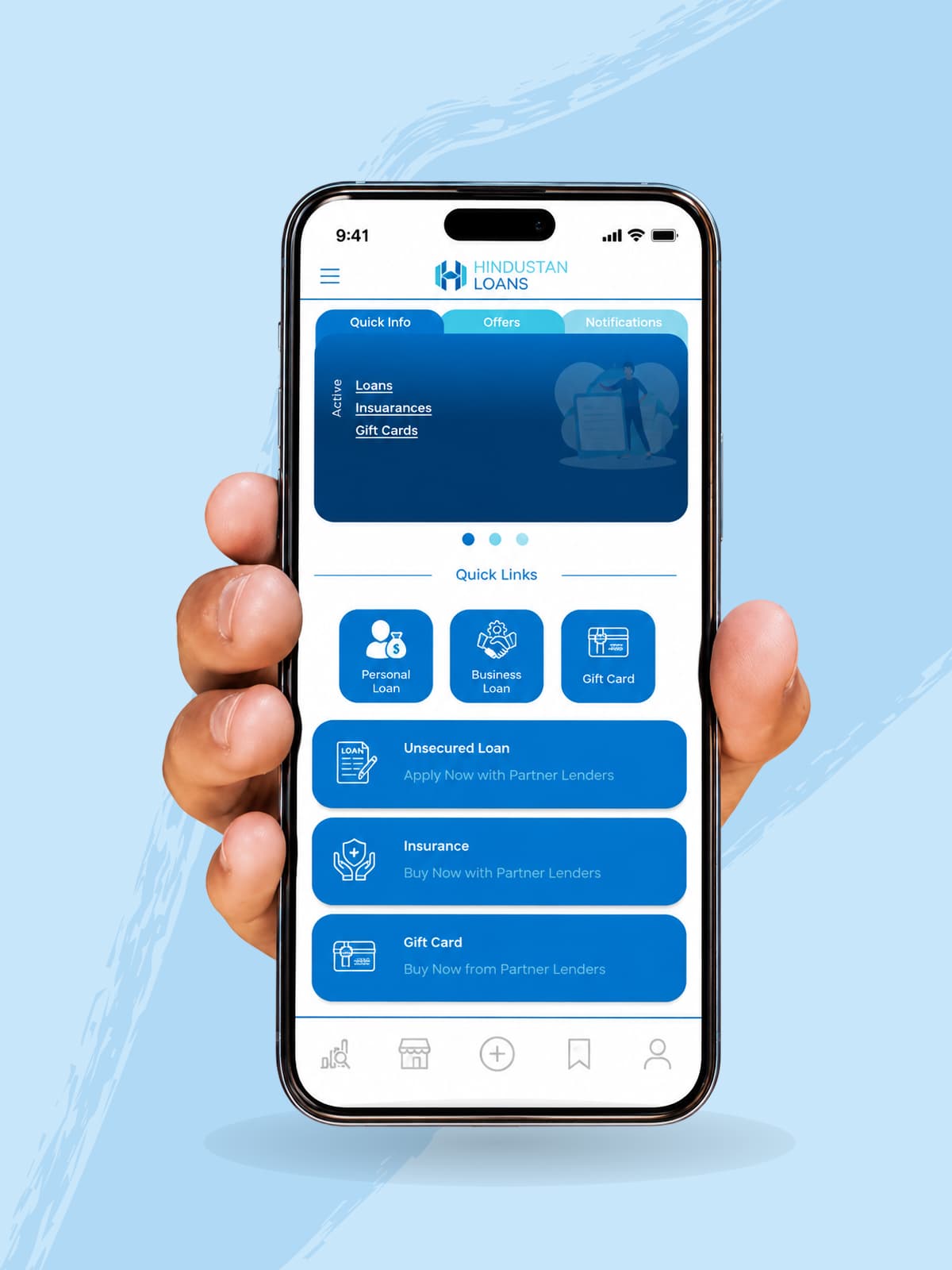
Hindustan Loan App
ONDC lending network
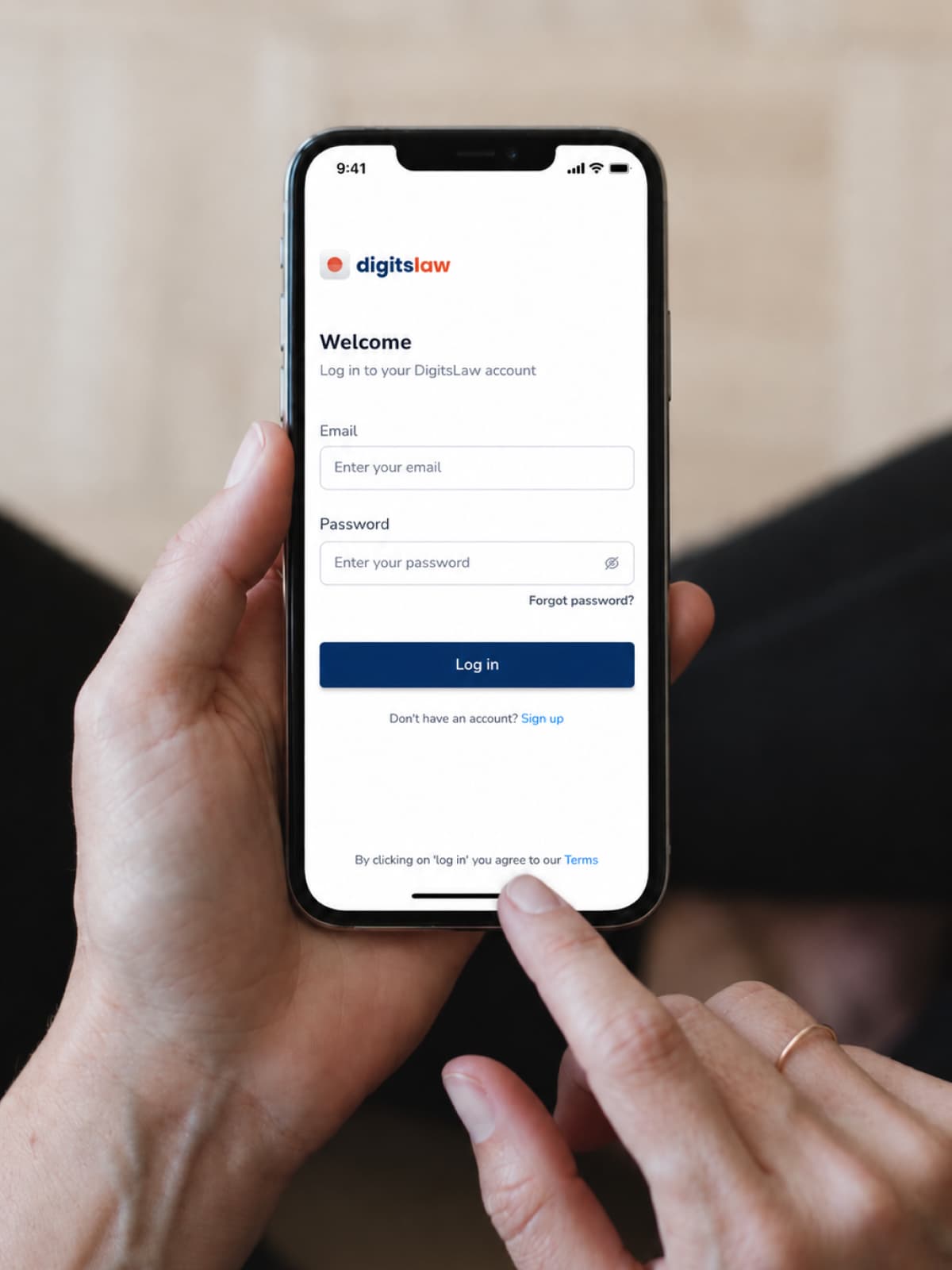
DigitsLaw
Legal practice management
Pray the Bible
500,000+ downloads
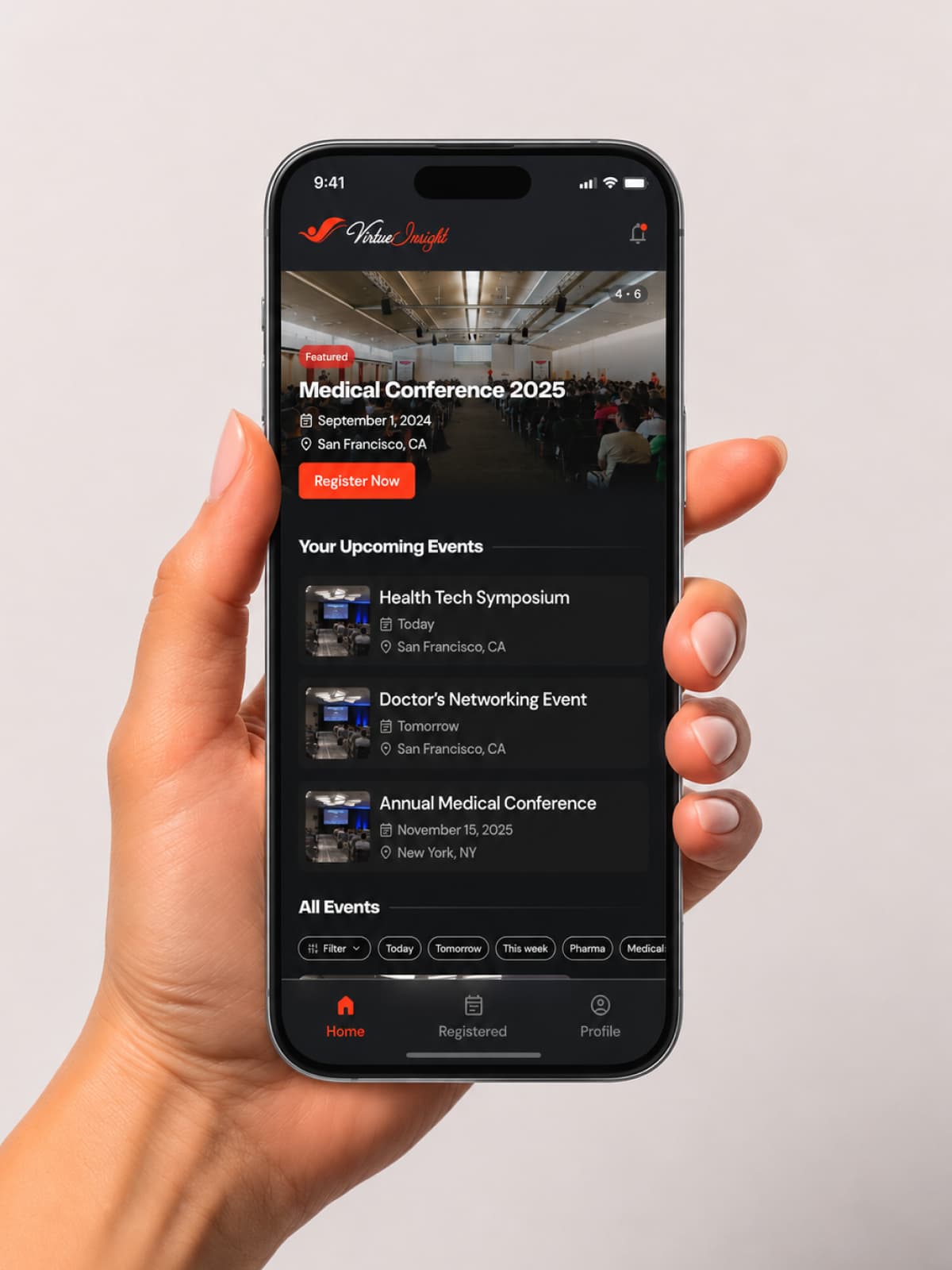
Virtue Insight Connect
Conference delegate app
Which page do I need?
Your app works and just needs ongoing upkeep. You’re in the right place. If it’s broken or nobody can work on the code, see App Rescue & Code Audit. If it runs on an old stack that’s slow to change, see App Modernization & Migration. If you want to add AI to a live app, see AI Feature Integration. If you haven’t built the app yet, see Mobile App Development.
Sound familiar?
Apps break quietly. Then one day it isn’t quiet any more.
A new iOS version ships and a screen stops laying out properly. A library goes out of date and takes a security hole with it. None of it announces itself, until you can’t upload an update or a customer emails to say the app has been crashing for weeks. We watch for all of that, so you hear about problems from us, not from a one star review.
“It worked fine until the iPhone update.”
Two OS releases a year, and either one can break a screen, a permission or a payment sheet. We test against each beta before your users meet the release.
Read more“I got an email from Google and I don't understand it.”
Store deadlines arrive as policy emails written for engineers. We track every deadline that applies to your app and act on it before it becomes a rejection.
Read more“The developer who built it has disappeared.”
We take over apps we didn't build. It starts with a short paid audit so we learn the codebase and tell you what's urgent before anything monthly begins.
Read more“Why am I paying every month when nothing is broken?”
You're paying for the months when something is. Every month you get a written report of what we found, what we changed and what's coming.
Read moreWho you’ll actually talk to

Anand Yadav
Most people who call us about maintenance were burned by the last arrangement. Either they paid every month and never knew what they were paying for, or nobody was looking after the app until it fell over.
So I do two things. You get a written report every month: what broke, what I changed, what’s coming next quarter. And you can leave with thirty days’ notice and take everything with you. If I have to lock you in to keep you, I’ve already lost.
What you actually receive
Every month, these things arrive
A written maintenance report
Releases shipped, crashes found and fixed, crash-free rate trend, performance numbers, dependency and security updates, store deadlines coming, hours used
Crash monitoring, alerts to us not you
Crashlytics or Sentry on your account, alert thresholds agreed with you, new crash types triaged within one working day
OS release testing
Your app run against the developer beta before public release, with a written list of what breaks
Store compliance handled in advance
Every deadline below, tracked against your app and actioned before the date, not after a rejection
Security and dependency updates
Outdated and vulnerable packages updated and regression tested
Bug fixes, triaged with you
A shared list with severity agreed by you, not by us
New feature development
An agreed number of development hours each month, spent on whatever you decide
One named contact who knows your app
The same person month to month, who has read your codebase and does not need re-briefing
Your accounts stay yours
Apple Developer, Google Play, Firebase, every repository, in your name. We hold access, never ownership
The deadline calendar
Every date that can take your app off the store
Most of the recurring work on a live app is not your idea. It is Apple’s, Google’s, or Brussels’. If you are on a plan with us, all of this is already tracked against your app.
Platform deadlines
Apps targeting Android 15+ must support 16 KB memory page sizes. Native code and SDKs need recompiling.
Apps uploaded to App Store Connect must be built with Xcode 26 or later, targeting an iOS 26 SDK.
New apps and updates must target Android 16 (API 36). Extension available to 1 Nov 2026.
Google Play developer verification enforced in four countries. Separately, all Play apps must be registered in Play Console.
Apple removes an app with no update in three years and almost no downloads, after a 90 day notice. A crash on launch app is removed immediately, no grace period.
One correction, against our own interest
We have seen the Android 16 deadline written up as “your app becomes uninstallable.” That is not what Google says. A non-compliant app stops being available to users on newer Android versions than it targets, but users who already installed it keep it. You lose new users on new phones. Existing users do not lose the app.
Your legal deadlines
EU Digital Services Act trader status must be declared, or the app is removed from the EU App Store.
EU Cyber Resilience Act: an actively exploited vulnerability must be notified within 24 hours.
Checked 11 August 2026 against first-party sources. Rechecked every three months. Next recheck: 11 November 2026.
What good upkeep looks like
A live app is a running engine, not a finished object
Crash rates drift, SDKs expire, and the stores change their rules twice a year. Maintenance is the work that stops all of that landing on you at once.
What happens every month
The month has a shape. Here it is
Week 1, crash and performance review
We read the last month's data, rank what's actually hurting users, and agree the month's list with you.
Week 2, fixes and updates ship
Dependency bumps, security patches, the crashes from week 1. Everything goes out behind a tested release.
Week 3, store and platform work
Anything from the deadline calendar falling in the next 90 days gets actioned now, not on the deadline.
Week 4, report and plan
You get the written report, and we agree next month's list.
The monthly report is the product
Two to three pages, the same nine things every time, so you can compare month to month.
Releases shipped
With version numbers and dates
Crash-free user rate
This month versus last
New crash types
Found, and what we did about each
Performance
Start time and key screen load times, tracked
Dependencies updated
And any known vulnerability closed
Store deadlines
Actioned, and what's coming in 90 days
Development hours
Used, by task
What we chose not to do
And why. The line nobody else writes
Next month
What we recommend, so the plan carries forward
Response times, severity, and how you leave
What “urgent” means, in writing
P1, Critical
The app is down, crashing on launch, or money cannot move
P2, High
A core journey is broken for a group of users
P3, Medium
Something is wrong but there is a way around it
P4, Low
Cosmetic, or a small improvement
Support hours: Monday to Friday, 09:00 to 19:00 IST. Out of hours P1 cover on the Partner plan. You set the severity, not us.If we miss a P1 acknowledgement, that incident’s hours do not come out of your monthly hours.
You own it. Take it anywhere.
Month to month. 30 days’ written notice. No minimum term, no exit fee. Every account stays in your name, on your billing, from day one. If you leave, you get a written handover, included, not a chargeable extra, plus a call with whoever takes over, including a competitor.
We take over apps we didn’t build
Most of our maintenance clients did not build their app with us
The developer went quiet, the agency moved on. It is the most common way a maintenance conversation starts, and it is normal work. We start with a fixed price audit before quoting anything monthly.
The Takeover Audit
A written report: what the app is built on, what is urgent, what will break at the next OS release, and what a sensible monthly plan would cover.
We will take on maintenance when
The app is on a stack we can support (Flutter, Swift, Kotlin, React Native), you can give us the accounts, and someone on your side can approve a release.
We will say no, and tell you why, when
The code needs a rescue project first, the stack is genuinely unsupported, or nobody on your side can make a decision.
Adding AI to an app that’s already live
The best time to add AI is when you already have usage data
A live app already shows you which screen people get stuck on and which support question arrives forty times a week. The maintenance cycle is usually the cheaper place to build it, inside the monthly hours rather than a separate project.
Pick one job the data says is painful
Not one that sounds impressive in a pitch.
Ship the smallest version of it
To a slice of users, inside your existing monthly hours.
Measure it
Against the month before, in the monthly report.
Keep it, change it, or take it out
Taking it out is a valid, respectable outcome.
Pray the Bible
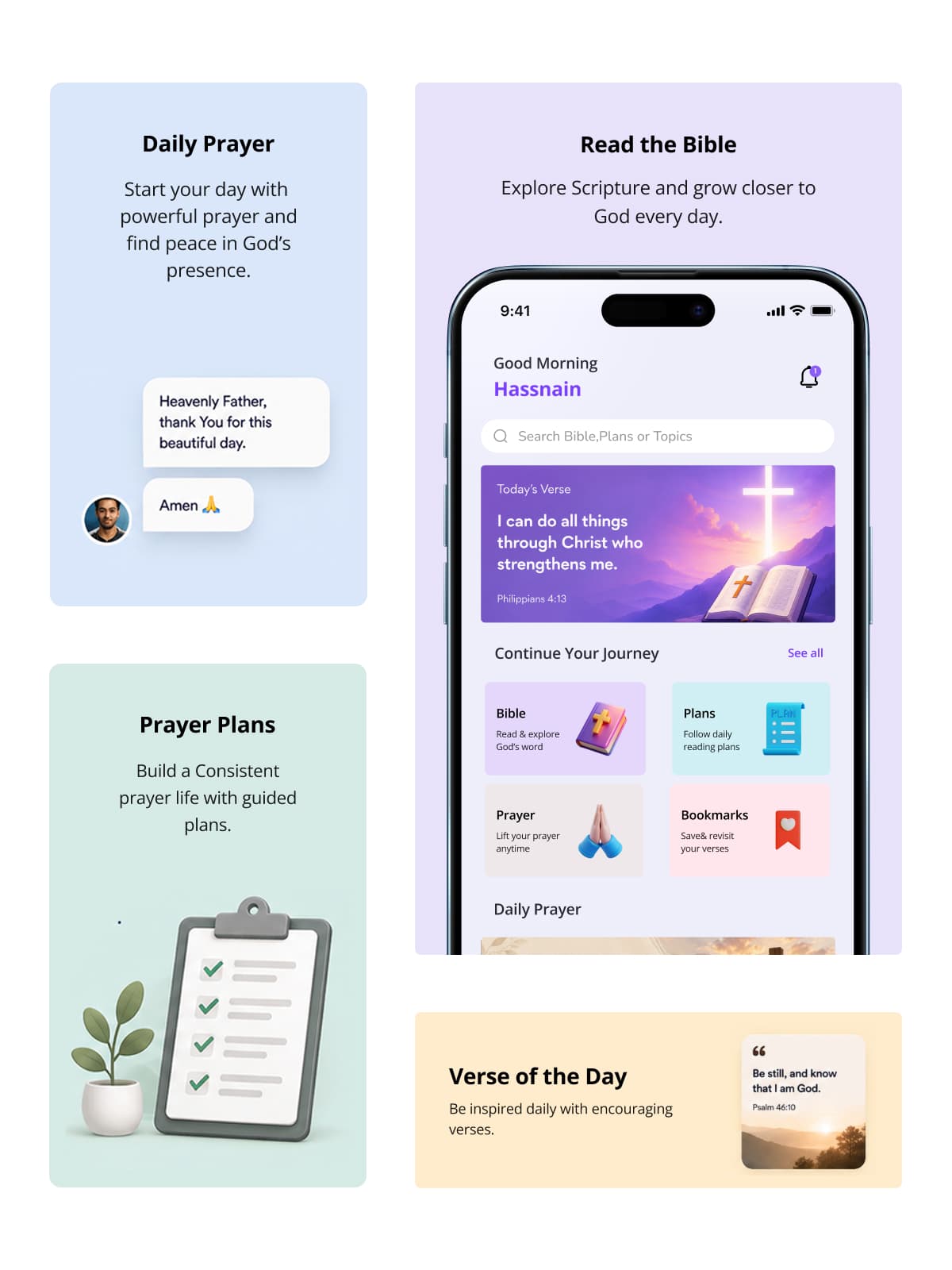
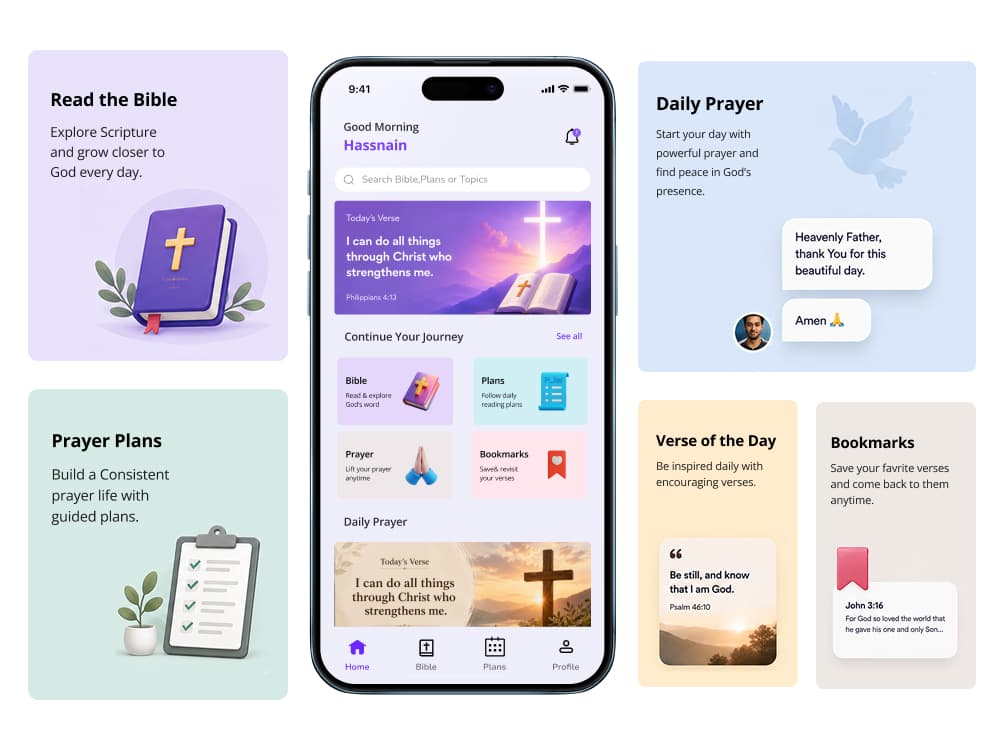
AI generated, Scripture fused prayers with a validated wellbeing tracker, across 7,464 prayer topics and 550,000+ verse mappings, on one Flutter codebase for iOS, Android and web.
Read the case studyHow we work, always
Six things that do not change, whichever plan you are on
One person who knows your app
The same named developer month to month.
Nothing ships untested
Every change goes through a build, a test pass and a staged release.
Your accounts, your name
Owned by you, billed to you, from day one.
We write down what we changed
Every release has notes. Every month has a report.
Our own regressions are free
If we break something we built, fixing it does not cost your hours.
We say no when it's the wrong answer
A monthly fee for work that will not help you is not a business we want.
Industries we serve
A row with no case study makes no claim. That is deliberate.
Fintech and Banking
Quick Chain, Hindustan Loan App
Legal tech
DigitsLaw
Retail, POS and E-commerce
Vencru POS, Vencru Business Manager
Energy and Utilities
Tata Power SolaRoof
Healthcare and Wellness
Pray the Bible
Events, Media and Community
Virtue Insight Connect, Azad Sandesh News
CRM, HR and Internal Tools
No published case study yet
Real Estate and PropTech
No published case study yet
EdTech and Training
No published case study yet
How we work
From first message to a running plan, in seven steps
You get in touch
Four fields, or the booking link. A developer replies, not a salesperson.
A 20 minute call
What the app is, what's going wrong, who owns the accounts, including when the answer is not us.
Access
Repository, store accounts, backend, crash reporting. Read access is enough to start.
Takeover Audit
Only for apps we did not build. Fee credited against your first month.
Your plan, written down
Which plan, how many hours, what's covered. In writing, before you pay anything.
Month one
Monitoring set up, alert thresholds agreed, the urgent list cleared first.
The monthly rhythm begins
The four week cycle above, ending in the written report.
How fast this starts
First message to a written plan, for an app we built
Same, for an app we did not build, including the audit
To your first monthly report, whatever else happens
How we work together
Four ways to work with us, all of them month to month
About the "15 to 20% of your build cost" rule
Nearly every maintenance page repeats this figure. We went looking for the source and could not find one. Treat it as folklore. What we will do instead is quote you a figure based on your actual app, after we have read it.
Every plan includes
Essential
A stable app that needs to stay stable and legal
Growth
A live app that is still changing
Partner
An app that is core to your business
The rules that apply to all four:no minimum contract size, month to month with 30 days’ notice, unused hours roll over one month then expire, and you can pause if your app genuinely goes quiet.
What clients say
The SightInfusion team delivered our app with impressive speed, clear communication, and reliable quality. A professional team we're excited to work with again soon.
Working with SightInfusion was a smooth and professional experience. Proactive, technically strong, and always transparent with updates.
SightInfusion handled our complex project with patience, expertise, and consistent communication. Learns fast, solves challenges quickly.
What we work with
Mobile
Backend
Monitoring
Release
Store ops
In-app
Related work
Quick Chain
A Flutter fintech app that lets Nigerian users sell crypto and gift cards for Naira, with Veriff identity verification and verified bank payouts.
Hindustan Loan App
A personal loan app built on the ONDC lending network, with RBI approved Account Aggregator consent replacing manual document uploads.
DigitsLaw
A Flutter practice management app for law firms covering clients, matters, billable time, invoicing and secure client messaging.
Questions people actually ask
Fourteen real sub-questions, each one answered here
Why am I paying every month when nothing is broken?
Because nothing is broken is the outcome you're buying, not the default state. If a month is genuinely quiet, the report says so, including what we chose not to do.
Can you maintain an app you didn't build?
Yes, most of our maintenance clients are exactly that. It starts with a fixed price Takeover Audit, credited against your first month if you continue.
Can I cancel? Am I locked in?
Month to month, 30 days' written notice, no minimum term and no exit fee. You get a full written handover, included.
Who owns the code, the accounts and the data?
You do, from day one. We hold access, not ownership.
You built it, why am I paying you to fix your own bug?
You're not. If we break something we built, fixing it does not come out of your hours.
Do unused hours carry over?
One month, then they expire. Tell us about a quiet month coming and we'll move work forward instead.
Can I move up or down a plan?
Yes, with 30 days' notice, as often as you need.
Do you only work in Flutter?
No. Flutter is our core, but we maintain native iOS in Swift, native Android in Kotlin, and React Native.
Tell us the problem. We bring the engineering.
A short call, an honest answer on whether we are the right team, and a scope you can hold us to.
Start a project