AI Agent Development Services

AI Agent Development Services

Your team is doing work a machine should be doing.

We build AI agents that handle the repetitive work inside your business: support triage, invoices, data entry, follow-ups, reports. First process live in 30 days. Starts with a $750 audit that tells you what is worth automating, and what to leave alone.

You own everything we build.

Where our automation work is already live

Systems we built that already take work off people

ProductWhat it took off peopleLinks to
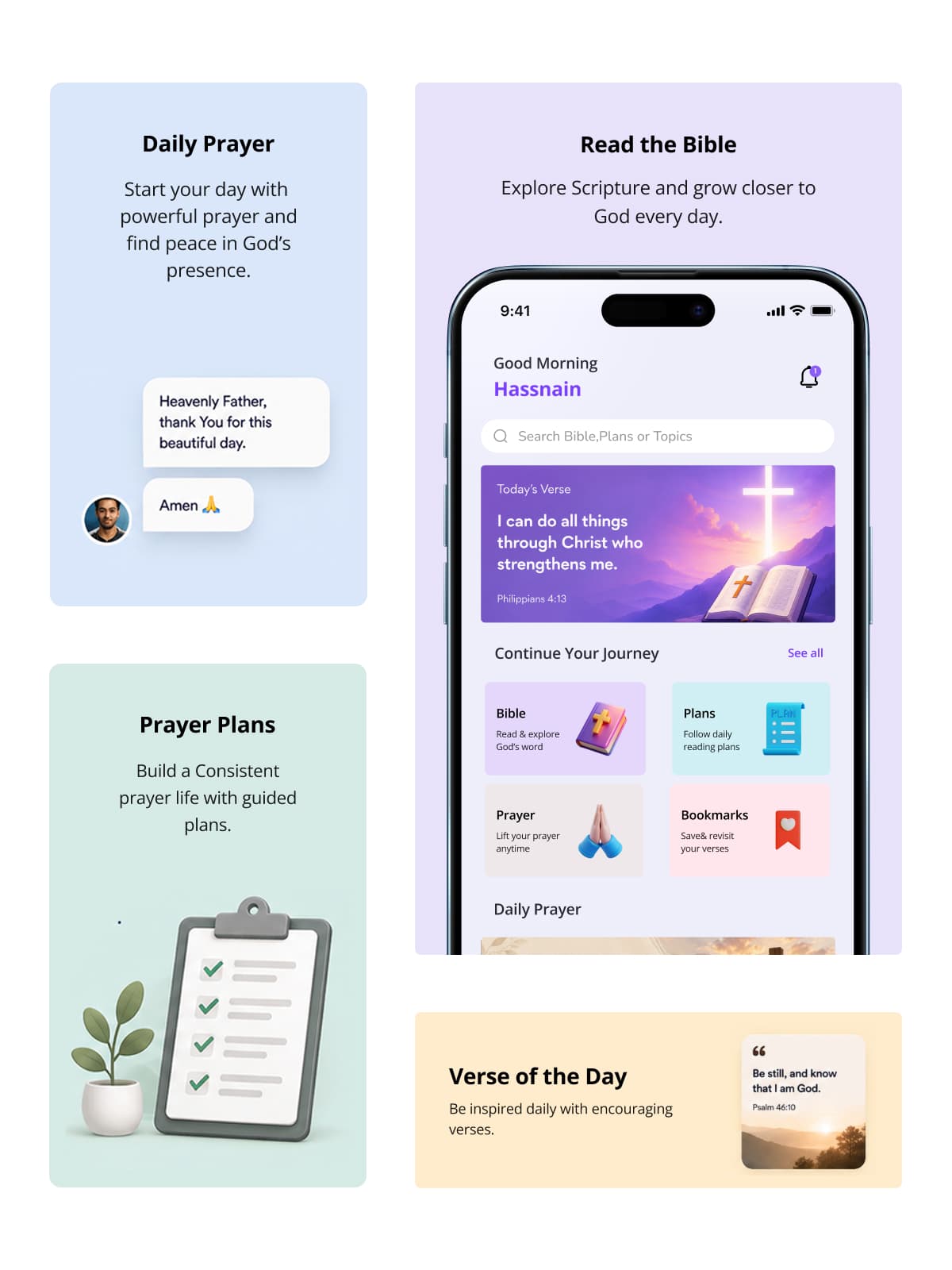
Pray the Bible adminContent publishing 65% faster, training cut from 2 weeks to 2 daysCase study
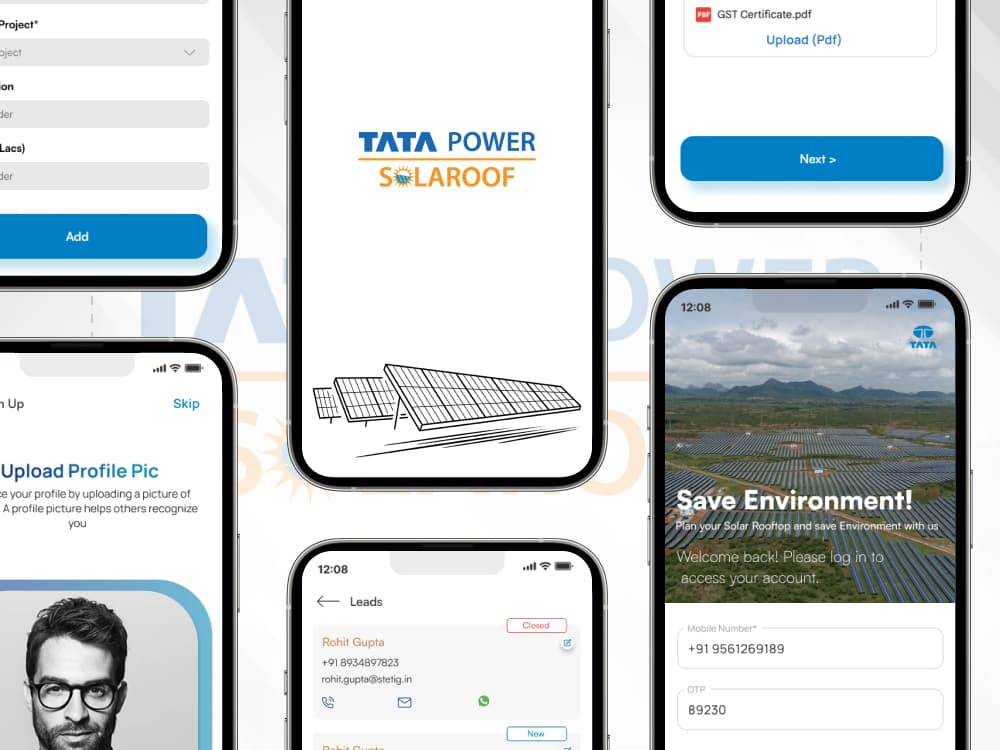
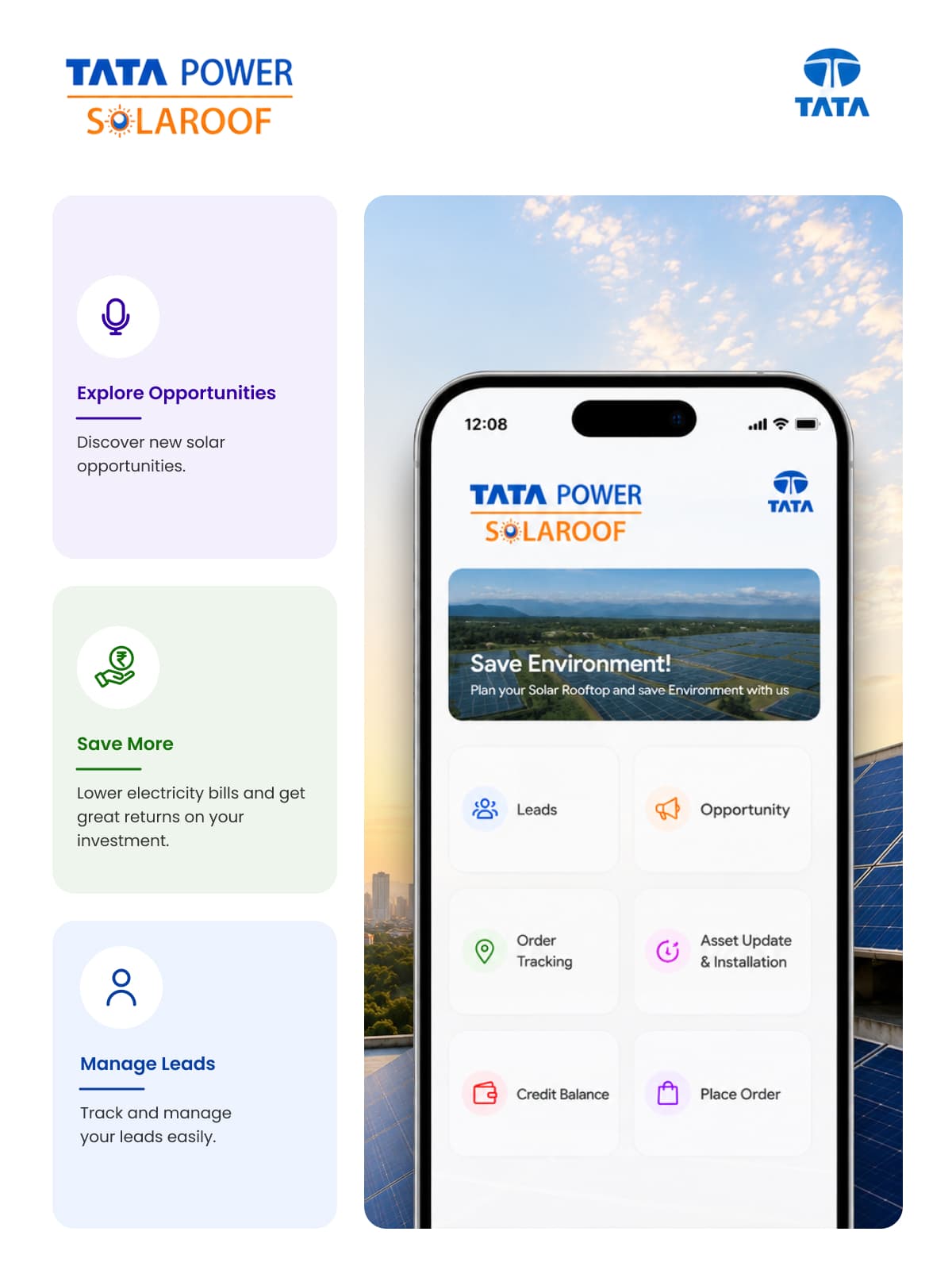
Tata Power SolaRoofKYC verification from days to minutes, 99% asset tracking accuracyCase study
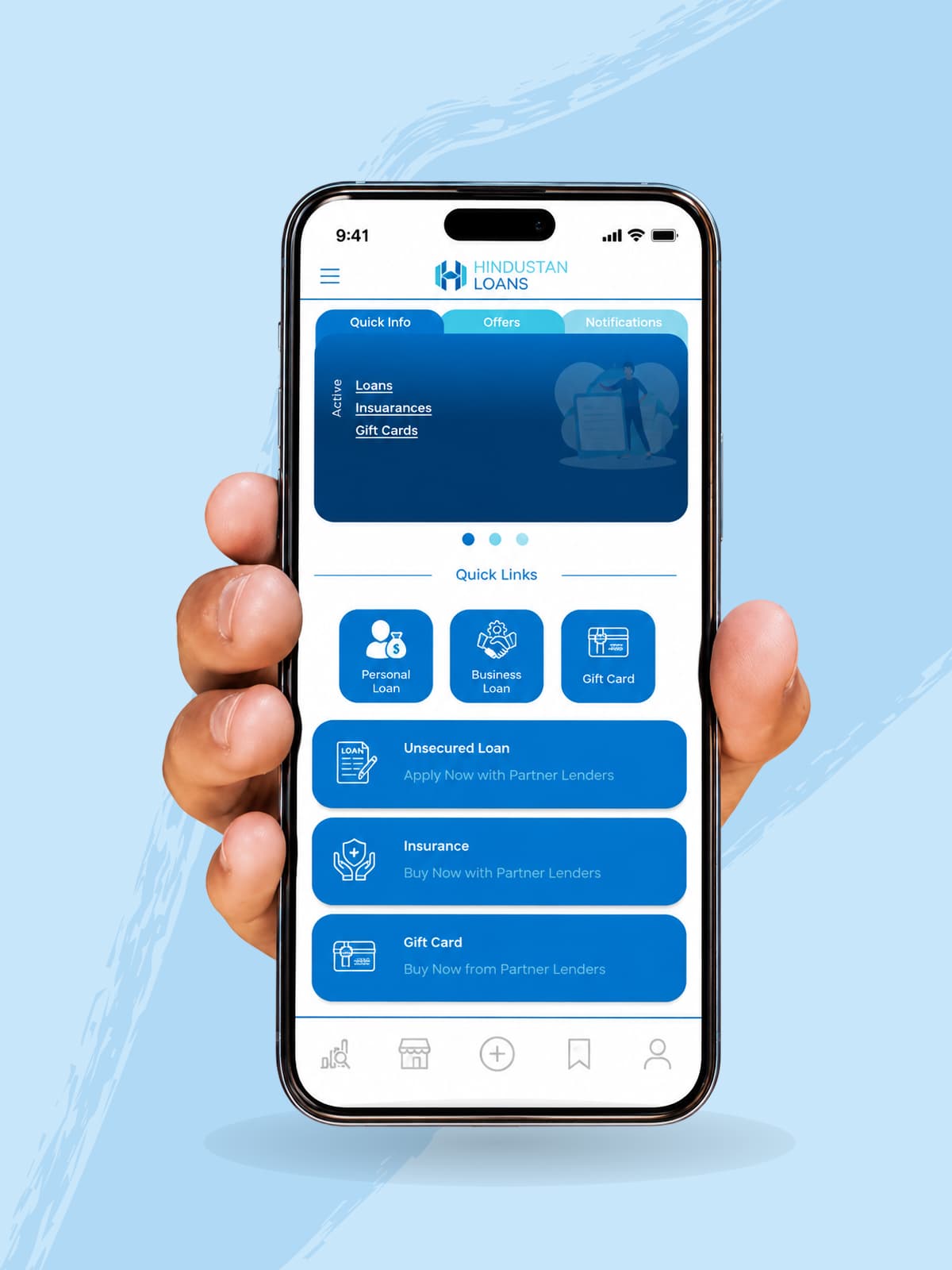
Hindustan LoanLoan approval from 7 to 10 days to 8 to 12 minutesCase study
Vencru POSMulti-currency checkout and automated reconciliation across 64 currenciesCase study

Built by the person you will actually talk to

Anand Yadav, Founder of SightInfusion Infotech

Anand Yadav

Founder, SightInfusion InfotechUpwork Top Rated100% Job Success Score54 client reviews52+ products shipped

I am Anand Yadav, founder of SightInfusion. I have been building software for over 7 years and I have personally delivered more than 52 products.

Automation is the part of this business where it is easiest to sell somebody something they do not need. So here is how I work: when you send an enquiry, I read it. In the audit, I am the one mapping your process. And if your process follows clear rules, I will tell you to buy the cheaper rules-based version, or a $20-a-month tool, instead of an AI agent, because an agent that makes a judgement call where a rule would do is how automation projects get expensive and unpredictable.

I have talked clients out of AI more than once. That is the job.

What usually goes wrong

What clients say, and what it actually means

“We want an AI agent that just handles support tickets on its own.”

What it means

Nobody had defined what happens when it does not know the answer.

“Can the agent just call our API directly?”

What it means

An agent with direct access is only as safe as the guardrails nobody wrote yet.

“We tried a general chatbot for this and it kept making things up.”

What it means

A general model without your data will always guess before it admits it does not know.

What you actually receive

Most agencies describe the work. Here is what is yours at the end of it.

DeliverableWhat it is
Process mapYour process as it actually runs today: every step, every exception, every person, agreed before anything is built
The success numberWhat we are trying to move, measured before we start, so the result is a number and not a feeling
The agentBuilt, tested against your real cases, running
Source codeFull repository, full IP transfer, in your account
The prompts and the rulesNot a black box. You get the instructions the agent runs on, in readable form
RunbookWhat it does, what it will not do, how to stop it, who to call
Audit log accessEvery action it took and why, from day one
Monthly cost modelWhat it costs to run, worked out on your real volume. See below
Handover walkthroughA recorded session taking your team through the whole thing

If any of these is missing at handover, the job is not finished. That is our standard, not an upsell.

You own it. Take it anywhere. The code, the prompts and the process map are yours on final payment. Run it in-house, hand it to another agency, or switch it off.

Two weeks, $750, and we will tell you if the answer is “don’t”

Most companies know they should be doing something with AI. Very few have been told which thing, or whether it will pay for itself. This is the short paid engagement that answers it.

This is for you if

you know you should be doing something with AI but not what

your team spends hours every week on repetitive work

you have been quoted for an AI project and want a second opinion

a pilot last year went nowhere and you want to know why

your board or your investors are asking about your AI plan

What we look at

Your operations

The repetitive work costing you hours every week, measured in hours and wage cost.

Your data

Whether you have what an agent would need, and what shape it is in.

Your systems

Whether an agent can reach your CRM, inbox, accounting and spreadsheets without a rebuild.

Your constraints

Privacy, GDPR, what your industry allows, and whether any of it is high-risk under the AI Act.

See below →

Your alternatives

Whether a rule, a $20 tool or a better spreadsheet does the job instead.

What you get, in writing, in 2 weeks

The three highest-value opportunities, ranked by return, not by how impressive they sound

What each one costs to build, and what it costs to run every month on your real volume

What to build first, and why

What to skip, usually the more useful half of the report

A phased roadmap with durations

The real risks: accuracy, cost, privacy, and what happens when it gets something wrong

Why it is paid. A free assessment exists to sell you the biggest project the agency can build. This one is paid so that “do nothing yet” is an answer we are allowed to give you, and we do give it.

Fixed price, fixed length, credited back. $750. Two weeks. If you build with us afterwards, the full $750 comes off the first invoice. If you don’t, the report is still yours: build it in-house, or take it to another agency.

A chatbot answers. An agent does the job. A rule does it cheaper

Three different things get sold as AI and they cost very different amounts.

When it is rightWhat it costs to be wrong
A ruleThe logic is clear and written downAlmost nothing. It fails loudly and predictably
An agentThe input is messy, unstructured, or does not fit a ruleIt can be wrong quietly. That is the whole risk
A chatbotYou want a question answered, not work doneYour customer gets a confident wrong answer

An AI agent reads the information, decides what needs to happen, and then does it: updates the record, drafts the reply, files the document, raises the order. It works on its own and it comes back to a human when something needs approval.

We start every conversation by trying to make your problem a rule. Rules are cheaper, faster and give the same answer every time. We only reach for an agent when the input is genuinely messy: free text, scanned documents, exceptions that do not fit. If your process is rule-shaped, go to Custom Business Automation and pay us less.

What we automate

Support triage and first response

Incoming messages read, sorted, drafted or routed to the right person. A human sends anything that goes to a customer, until you say otherwise.

Invoice, order and document processing

Documents read, data extracted, records updated. No manual typing. Anything the agent is unsure about goes in a review queue, not into your accounts.

Lead qualification and follow-up

New enquiries scored, enriched, and followed up without anyone remembering to.

Report generation

The weekly and monthly reports somebody currently rebuilds by hand, assembled and delivered on schedule.

Data entry between systems

Information moved between your CRM, accounting, sheets, inbox and internal database, and kept in sync. The re-keying problem, solved once.

Approvals and internal workflows

Requests routed to the right approver, chased, logged and closed out.

Two kinds of agent

Where it livesWho sees itWhy clients pick it
Agents your team usesNobody outside the companyThe saving is immediate and easy to measure. Most clients start here
Agents your customers useYour customersHigher upside, higher risk. A wrong answer reaches a customer

For the in-app version customers see directly, see AI Feature Integration & Assistants.

Where agents fit

An agent is a colleague, not a feature

The useful ones do a whole job end to end: read the inbox, pull the record, draft the reply, wait for a yes. That is why the sections below are about control and running cost rather than about models.

A person leaping with a lightbulb, a laptop and gears floating around them

An agent is only worth having if you can see what it did and stop it

The number one reason these projects die is not that the agent is wrong. It is that it is wrong quietly, and nobody finds out until a customer does. So we design for that first.

ControlWhat it means in practice
Approval steps on anything that mattersThe agent proposes, a named human confirms. You choose which actions need it
A full audit log from day oneEvery action, with the input it saw and the reason it gave. Searchable by your team, not just by us
It shows its reasoningWritten in plain language, not model internals
A review queue for not sureLow confidence goes to a person instead of into your data. An agent that says it does not know is working correctly
Hard limitsA written list of what it may touch and what it may never touch. It cannot exceed it
A stop switch you controlNot a support ticket to us. A switch your team can press
Alerts when behaviour driftsYou hear from the monitoring, not from a customer

And there is a legal reason, not just a practical one. Under GDPR Article 22, a person has the right not to be subject to a decision based solely on automated processing where it significantly affects them, and where such a decision is allowed, Article 22(3) requires real human intervention, the right to state their view, and the right to contest it. This has been enforceable since 2018 and it has nothing to do with the AI Act. If your agent declines a refund, screens a CV or flags an account, the human in the loop has to be a real decision, not a rubber stamp. We design it that way by default.

RUNNING COSTS

The number nobody in this market will publish

An agent has two costs: building it once, and running it every month.
Every agency in this category will quote you the first. We have not found one that publishes the second, on any service page.

iSo here is ours, with the vendor own price. Model prices, per 1 million tokens, checked 19 August 2026.

Claude Haiku 4.5

$1
$5
Anthropic pricing

Claude Sonnet 5

$2
$10
Anthropic pricing

Claude Opus 5

$5
$25
Anthropic pricing

OpenAI gpt-5.6-terra

$1
$6
OpenAI pricing

OpenAI gpt-5.6-sol

$2.50
$15
OpenAI pricing

Google Gemini 3.6 Flash

$1.50
$7.50
Google pricing

Google Gemini 3.5 Flash-Lite

$0.30
$2.50
Google pricing

Batch processing is 50% off with Anthropic and Google. Reading from cache costs a fraction of fresh input with Anthropic, costs next to nothing on OpenAI. Do the real maths.

Worked monthly cost example

What an agent handling 2,000 support tickets actually costs

Our assumption, stated openly because it is an estimate and not a measurement: roughly 3 model calls per ticket, about 25,000 input tokens and 2,000 output tokens per ticket in total. That is 50M input and 4M output tokens a month.

ModelNo cachingWith about 80% cache hits
gpt-5.6-terra~$74~$38
Gemini 3.6 Flash~$105Not published
Claude Sonnet 5~$140~$68
Claude Opus 5~$350Not published

Now the part that costs us money to tell you: the tokens are not the expensive bit. Forty to three hundred and fifty dollars a month to handle two thousand tickets is a rounding error next to the integration work, the testing, and the human time spent checking the agent. Any agency selling you an agent on the promise of cheap tokens, or on how much model spend they will save you, is selling you the wrong thing, and so is any agency that will not tell you the running cost at all.

What we do about it: every proposal carries a monthly cost model built on your real volume, a spending cap on the model account, and an alert before the cap. And note this, because it is true of every cloud platform: spending caps are usually alerts, not brakes. Somebody still has to watch the number.

What we can prove, and what we cannot

We are going to be straight about this, because the cost model above asks you to trust our numbers.

What we can prove

We have built internal systems that took large amounts of manual work off people, with published results:

Pray the Bible admin panel

Publication time down 65%, 3x faster publishing, staff training from 2 weeks to 2 days, monthly active users up 40% in 3 months.

Case study

Tata Power SolaRoof

Lead to order 45% faster, 99% asset tracking accuracy, KYC from days to minutes, on top of the client’s existing Salesforce.

Case study

Hindustan Loan

Loan approval rate from 35% to 89%, decision time from 7 to 10 days to 8 to 12 minutes, across 500,000+ applications in the first year.

Case study
What we cannot prove yet. Every one of those is a software build that removed manual work, not an AI agent deployment. We do not yet have a published before and after for an agent: this task took 14 hours a week, now it takes 40 minutes, and here is the wage cost either side. We are not going to invent one. When we have it, it goes here, with the baseline and the method.
i
And nobody else has one either. We went looking. Across the ranking pages in this category, the proof is developer headcount, project counts and years in business. One agency in the wider automation market publishes named-client percentages with no baseline hours; another’s hours-saved calculator renders as an empty placeholder. Not one page we studied shows a real before and after with hours and cost. If you find one that does, it is worth more than anything on the page.

Works with what you already run

We connect to the tools you already have: CRM, ERP, accounting software, email, WhatsApp, Slack, spreadsheets and internal databases. Nothing gets replaced and nobody has to change how they work.

That matters more than it sounds. The most-cited explanation for why generative AI pilots produce nothing is not the model, it is that the thing was never wired properly into how the work actually happens.

Enterprise B2B Channel Sales App for Tata Power Solar
Enterprise Solar CRM·Enterprise & CRM·tatapower.com/solaroof↗

Enterprise B2B Channel Sales App for Tata Power Solar

A Flutter app that gives Tata Power's rooftop solar channel partners and retailers one place to onboard, manage leads and opportunities, place orders, register installed assets and request inspections, wired directly into Tata Power's Salesforce CRM.

Outcome & Context
Tata Power SolaRoofruns on top of the client’s existing Salesforce CRM. We added role-based access for channel partners and retailers, barcode-scanned asset installation, GPS-tagged inspections, KYC verification and offline mode, with real-time sync back into Salesforce, without replacing anything the client already ran. Lead to order time dropped 45% and asset tracking accuracy reached 99%.
FlutterGetXSalesforce

Where we automate

Industries we automate for

Each item below lists industry and what we automate.
CRM, HR & Internal Business Tools
CRM, HR & Internal Business ToolsApprovals, reporting, data entry between systems, onboarding
Fintech & Banking
Fintech & BankingDocument and KYC processing, application handling, reconciliation
Legal-Tech
Legal-TechDocument intake, case data extraction, filing workflows
Energy & Utilities
Energy & UtilitiesField reporting, asset tracking, inspection workflows
Retail, POS & E-commerce
Retail, POS & E-commerceOrder and invoice processing, stock alerts, supplier admin
Logistics & Field Operations
Logistics & Field OperationsDispatch, job assignment, field data capture
Events, Media & Community
Events, Media & CommunityContent publishing workflows, moderation queues
Healthcare & Wellness
Healthcare & WellnessPatient admin, records handling
Real Estate & PropTech
Real Estate & PropTechListing admin, enquiry handling, tenant workflows
EdTech & Training
EdTech & TrainingEnrolment, assessment admin, learner follow-up

Process

How we work

Fit call

You tell us the task. We tell you honestly whether it is an agent, a rule, an off-the-shelf tool, or not worth doing. No charge, no report.

30 minutes, free

AI Readiness Audit

Only if you are not sure what to automate first, or a previous attempt failed. See above. If you already know the process, skip this.

2 weeks, $750, credited back

Process map and baseline

We sit with the people doing the work. We measure the current cost before we change anything.

Days 1 to 5 of the build

Build and test on your real cases

The agent runs against work you already know the answer to, so you can see how it would have behaved.

Days 6 to 20

Shadow mode

Live alongside your team. It proposes, a human confirms. We tune it on the disagreements.

Days 21 to 25

Go live with the controls on

Approval steps, audit log, limits, stop switch, alerts. Then we measure the same number again.

Days 26 to 30

Monthly run and tune

Accuracy monitoring, tuning as your process and the models change, and a monthly report of what it handled and what it got wrong.

Ongoing, optional

WALL OF PROOF

What clients say once the project is over

The SightInfusion team delivered our app with impressive speed, clear communication, and reliable quality. Every detail was handled thoughtfully, and the final result exceeded expectations. A professional team we're excited to work with again soon.

Dimitri Orga
Dimitri Orga
CEO & Asset Manager, FIDEX DLT

Working with SightInfusion was a smooth and professional experience. The team was proactive, technically strong, and always transparent with updates. Our finance app was delivered on time with great care. We look forward to future projects together.

Debi Prasad Naik
Debi Prasad Naik
CTO, EVOS Solutions Private Limited

SightInfusion handled our complex project with patience, expertise, and consistent communication. Their team learns fast, solves challenges quickly, and delivers dependable results. A skilled, trustworthy team we'll confidently partner with again in the future.

Vishal Pulikottil
Vishal Pulikottil
CEO / Founder, Instinctive Studio

Tech and tools

Models
Claude (Anthropic)
GPT (OpenAI)
Gemini (Google)
Open-weight models, self-hosted

Open-weight models where the data cannot leave your infrastructure

Agent frameworks and orchestration

Tool-calling agents, retrieval (RAG), scheduled and event-driven runs

Backend
Node.js
TypeScript
Laravel
Firebase
Supabase
PostgreSQL
Python
Connectors
REST
GraphQL
Webhooks
Salesforce
WhatsApp

CRM and ERP APIs, email, Google Sheets, ODBC

Rules-based automation

Where a rule is the right answer, see Custom Business Automation

Monitoring

Audit logging, accuracy tracking, cost and rate alerting

On-device and self-hosted

For finance, health and legal work where data must not leave your systems

We recommend the model and the stack that fit your process and your budget, not the one we prefer to write. Model choice is a cost decision as much as a quality one.

Frequently asked questions

How is an agent different from a chatbot?

A chatbot answers questions. An agent does the work: it reads the situation, decides, then updates the record, drafts the reply, files the document. See the three-way comparison, including when a plain rule is the better answer.

What if the agent gets something wrong?

That is the design starting point, not an afterthought. Anything that matters goes through a human approval step, low confidence goes to a review queue instead of into your data, every action is logged with its reasoning, and you have a stop switch your own team controls. All seven controls.

We tried an AI pilot last year and nothing came of it. Why would this be different?

Most pilots fail. The two most common causes are that nothing was measured before the work started, and that the thing was never properly wired into how the job actually gets done. That is why days 1 to 5 are a process map and a baseline, and why the agent is tested against your real historical cases before it goes anywhere near live work.

What will this cost me every month?

On the model side, less than most people expect: roughly $40 to $350 a month for an agent handling 2,000 support tickets, depending on the model and caching. The vendors’ own published prices, dated, and the assumptions behind that estimate. Every proposal we send carries a cost model built on your real volume, plus a spending cap.

Does our data go to OpenAI or Anthropic to train their models?

No. We use business API access where your content is not used for training, and where data must not leave your systems at all we use self-hosted open-weight models or on-device processing. Which route is right is part of the audit, because it changes the cost.

Do we have to replace our CRM or ERP?

No. We connect to what you already run. See below.

What if the audit says we do not need AI yet?

Then that is what the report says, and it happens. That answer is worth the $750 on its own: it is the reason the audit is paid rather than free.

Do we have to build with you after the audit?

No. The report is yours either way. The $750 comes off the first invoice only if you do continue.

Who owns the agent, the code, the prompts, all of it?

You do. Full source code, the prompts and the process map transfer to you on final payment, on accounts in your name. You can take it to another agency or run it in-house.

Is an agent legal for what we want to do?

Usually, with conditions. GDPR Article 22 restricts decisions made solely by automation about people, and the EU AI Act treats HR, credit and essential-services use as high-risk even when it is purely internal. See how we design for it. This is not legal advice, but it will tell you which questions to take to a lawyer.

Will this replace our staff?

In practice teams handle more volume rather than shrink, because the work that goes away is the work nobody wanted. We are not going to promise you a headcount reduction we cannot measure, and if that is the only reason for the project, the audit will probably tell you the payback is thinner than you hope.

How long until the first one is live?

30 days from the start of the build. The week-by-week.

How do we know you actually build agents, and are not just relabelling a chatbot?

Fair question. Gartner reckoned that of thousands of vendors calling themselves agentic, only about 130 genuinely were. Ask us three things: show me an agent taking an action in a real system, not answering a question; show me the audit log; show me the prompts and rules it runs on. We give all three before you commit anything. Ask every other agency the same.

What if our process changes in three months?

Then the agent changes with it. You have the prompts and the rules in readable form, so your own team can adjust the simple things, and a monthly plan covers the rest.


Have something in mind

Tell us the problem. We bring the engineering.

A short call, an honest answer on whether we are the right team, and a scope you can hold us to.

Start a project