Business Process Automation Services

Business Process Automation Services

Stop paying people to do what software should be doing.

The spreadsheet emailed round three departments. The same data typed into three systems. The report somebody rebuilds every Monday. We replace that work with software that runs it properly: first process live in 30 days, and we will tell you honestly if a $20 tool does it instead.

52+
Apps & products delivered
7+
Years
Top Rated
Upwork agency
100%
Job Success
54
Client reviews

You own everything we build.

Where our automation work is already live

Manual work we have already taken off people

ProductWhat it replacedCase study
PM Fund ManagerManual administration and reporting that took 2 to 3 daysNo public case study yet
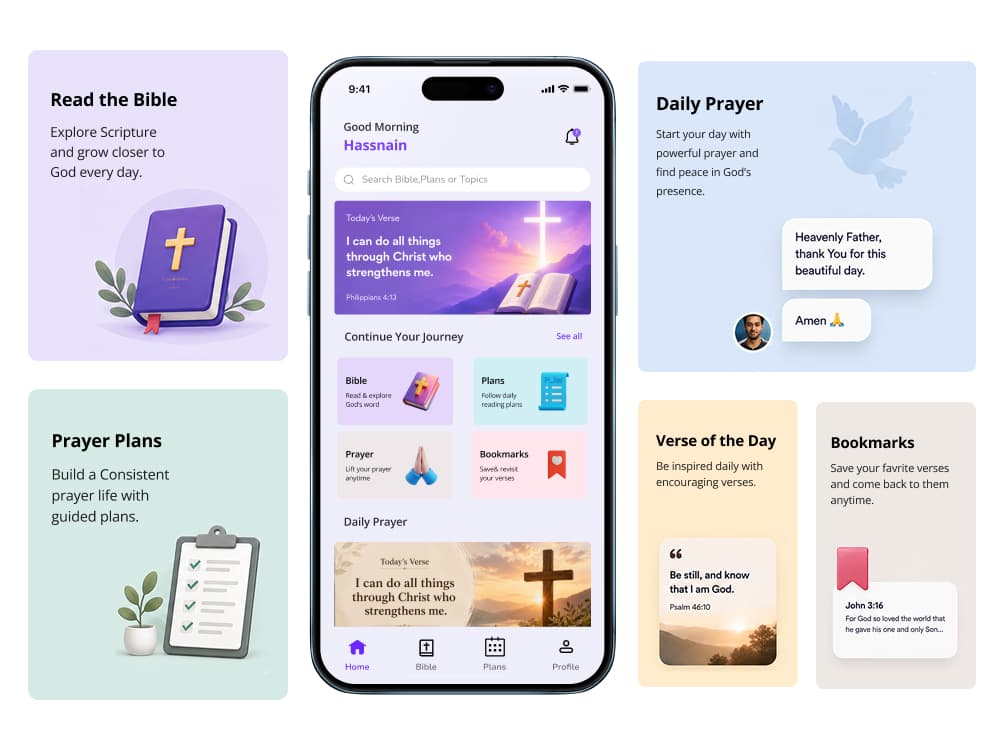
Pray the Bible adminA publishing process staff needed 2 weeks of training to runRead it
FMSoft CRMSales and workflow admin handled by handNo public case study yet
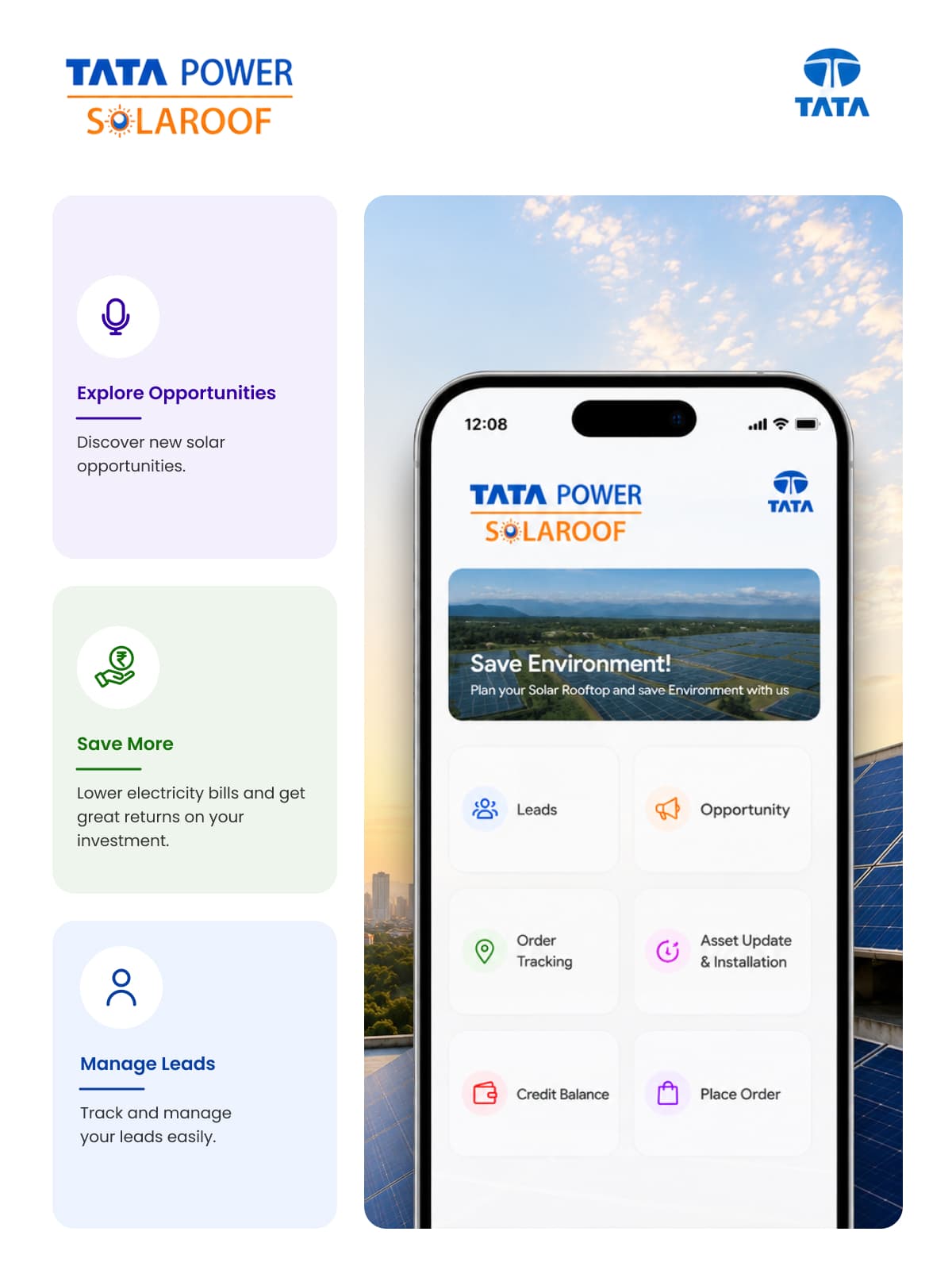
Tata Power SolaRoofPaper-based field inspections and KYCRead it
Companion AppField process paperwork across 3 languagesNo public case study yet

Who you’ll actually work with

Anand Yadav, Founder of SightInfusion Infotech

Anand Yadav

Upwork Top Rated100% Job Success Score54 client reviews52+ products shipped

I am Anand Yadav, founder of SightInfusion. I have been building software for over 7 years and I have personally delivered more than 52 products.

In automation, the fastest way to waste your money is to build something custom when a rule, a tool or a tidier spreadsheet would have done it. So on the first call I try to talk you down: can a $20 a month tool run this? Can we make it a rule instead of AI? Do you actually run this process often enough for the build to pay for itself?

If the answer is that you do not need us, that is what you will hear on the call, not after the invoice.

What you actually receive

Most agencies describe the work. Here is what is yours at the end of it.

DeliverableWhat it is
Process mapYour process as it actually runs: every step, every exception, every person, agreed before anything is built
The baselineHours per week, cost per month, error rate, measured before we change anything
The automationBuilt, tested on your real cases, running
Source codeFull repository, full IP transfer, in your account
Written rulesThe logic in readable form, so your own team can see exactly what it does and when
RunbookWhat it does, what it will not do, how to pause it, who to call
The running costHosting and licence cost of what we built, per month, in writing
Training for the people who use itNot a PDF. A session with the actual staff, and a recording they keep
Handover walkthroughRecorded, covering the whole system and the credentials

If any of these is missing at handover, the job is not finished.

You own it. Take it anywhere. Code, rules and process map are yours on final payment. Run it in-house, hand it to another agency, or switch it off.

What we automate

Data moving between systems

No more copying between your CRM, accounting software and spreadsheets. One place owns each piece of information.

Recurring reports

Built and delivered on schedule, every time, without anyone rebuilding them.

Approval workflows

Routed to the right person, chased automatically, logged. The WhatsApp chase becomes a record.

Order and invoice processing

From receipt to record without manual entry, for the cases that follow rules.

Scheduling and dispatch

Jobs, staff and resources assigned by your rules, not by whoever is free to work it out.

Notifications and reminders

Customers and staff told the right thing at the right time, including the chase nobody remembers to send.

Onboarding processes

New customer or employee steps that run themselves: the forms, the accounts, the checklist, the follow-ups.

Replacing the spreadsheet the whole company depends on

The one that only one person really understands. We turn it into software with proper rules, permissions and history.

If what you actually need is a screen your team opens daily rather than a process running quietly in the background, that is web apps and admin panels, not automation.

Should you just buy Zapier instead?

Sometimes yes. Here are the real prices, and the arithmetic.

This is the question that decides most of these projects, so we will answer it properly instead of pretending the tools do not exist.

ToolEntry priceCharges by
ZapierFree (100 tasks/mo); Professional from $19.99/mo; Team from $69/mo (25 users)Tasks
MakeFree (1,000 ops); Core $12/mo, Pro $21/mo, Teams $38/mo at the 10,000/mo tierCredits, one module action equals one credit
n8n CloudStarter €20/mo (2,500); Pro €50/mo (10,000); Business €667/mo (40,000). Unlimited users and workflowsWorkflow executions
Power AutomatePremium $15/user/mo; Process $150/bot/mo; Hosted Process $215/bot/moUser, or bot
AirtableFree; Team $20/seat annual ($24 monthly); Business $45/seat annual ($54 monthly)Seat
RetoolFree (≤5 users); Team $10/builder + $5/user; Business $50/builder + $15/userBuilder and end-user seats

Buy a tool when

  • the connection you need already exists in their library
  • your volume is low and stable
  • one or two people run it
  • you can live with it breaking occasionally and someone noticing
  • nobody needs a record of what happened and why

Build custom when

  • the tool cannot reach your system, because the connector does not exist
  • your volume has pushed the bill somewhere uncomfortable
  • the logic has grown past what anyone can follow in a visual editor
  • it has to be right every time, with an audit trail
  • the process is the one your business actually runs on

Now the honest part: there is no published crossover point, and we are not going to invent one. You will find blog posts saying the economics turn once your monthly spend exceeds what a custom build costs including hosting, which is true and also useless, because none of them will tell you what a custom build costs. So do this instead, on the back of an envelope, before you talk to anyone:

  • What is the tool costing you a month today, at your real volume? Check the next tier too, task and credit pricing steps up sharply.
  • Multiply by 24. That is two years of the cheap option.
  • Ask us for a fixed build price and the monthly running cost of what we would build.
  • If the two-year tool cost does not comfortably clear the build, keep the tool. We will say the same thing on the call.

And a note on cheap. Per-task and per-credit pricing is comfortable at low volume and unpleasant at high volume, which is exactly the direction a working automation moves in. That is not an argument for building on day one. It is an argument for knowing your number before your volume finds it for you.

Where the time goes

The work worth automating is the boring, repeated kind

Nobody writes down the twenty minutes a day spent copying rows between two systems. Across a year that is a full working month. Finding those is the first thing we do.

An arm with a smartwatch showing a gear and a checklist

One process. Thirty days. A number at each end.

WhenWhat happensWhat you get
Fit call, 30 min, freeYou describe the task. We tell you whether it is a build, a rule, a tool, or not worth doingAn honest answer, no report to buy
Days 1 to 5We sit with the people doing the work and map what actually happens, not what the process document says. We measure hours, cost and error rate before touching anythingProcess map and baseline
Days 6 to 20We build it and test it against your real historical casesTest results on your own data
Days 21 to 25It runs alongside your team, with a person confirming. We fix what the real world exposesLive in parallel
Days 26 to 30It runs on its own, with logging, limits and a manual override. We train the people who use it and measure the same number againLive automation and the before/after

Then we do the next process, or we stop, because the next one is not worth it. We will say which.

Why the fit call is free here, and the AI audit next door is not. A fit call is a scoping conversation: 30 minutes, and we can usually tell straight away whether a rule, a tool or a build is the answer. The AI Readiness Audit is an investigation, two weeks of work across your operations, data and systems, ending in a written report, so it is paid, at $750, and credited back if you build. The rule we hold to: charge when the diagnostic is an investigation, do not charge when it is a scoping call. If you arrive here unsure what to automate across the whole business, that is the audit, not this call.

Will we be stuck with you forever?

The right question, and most agencies never answer it

It is the third-ranked objection in this category and there is a good reason for it. Custom internal software has a way of becoming something only two people understand, and one of them works for the agency.

What we commit toThe commitment
The codeYours. Full repository, IP transfer on final payment
The accountsHosting, database and third-party accounts in your name, not ours
The rulesHanded over in readable form, not buried in code only we can follow
The documentationWritten for the next developer, not for us
The trainingThe people who use it are trained, with a recording they keep
Notice30 days on any monthly plan. No exit fee
HandoverA recorded walkthrough of the whole system and every credential

If the day comes that you want another agency, or your own hire, to take this over, they can, without calling us first. That is the standard.

Three times the answer is no

Reason 1

The volume is too low

If the task takes twenty minutes a week, a build will not pay for itself no matter how annoying it is. Annoying and expensive are different problems.

Reason 2

A $20 tool already does it

If the connector exists and your volume is low, buy the tool. Prices and arithmetic, including the part where we tell you to keep it.

Reason 3

The process is about to change anyway

If you are mid-reorganisation, or the process is three months old and still moving, automating it now means automating a guess. Wait, run it manually, and let it settle.

And one where the spreadsheet is genuinely fine. A small team, one person who maintains it, low stakes if it breaks: that spreadsheet is doing its job. The moment to worry is not when it gets messy. It is when only one person understands it and they are the single point of failure. That is a real risk, and it is a different conversation from the spreadsheet is ugly.

The quiet way these projects die

Will your staff actually use it?

The automation that fails is rarely the one that does not work. It is the one nobody uses, or that only one person can run.

  • We map the process with the people who do the work, not with the person who described it to us
  • It runs alongside them for a week before it runs instead of them, so they see it be right before they have to trust it
  • We train the actual users, in a session, with a recording they keep. Not a PDF
  • A manual override on everything. Anyone who needs to step in, can
  • Written rules in readable form, so the next person can understand the system without a developer
Proof

The Pray the Bible admin panel replaced a publishing workflow that took new staff two weeks to learn. After the rebuild, training took two days, publication time dropped 65%, and the team published 3x faster.

See the case study

The Companion App took a paper-based field process across three languages and scaled it from 50 to 500+ field workers, with process friction down 70%.

Industries we automate for

IndustryWhat we automateProof we can name
CRM, HR & Internal Business ToolsApprovals, reporting, onboarding, data entry between systemsPM Fund Manager · FMSoft CRM
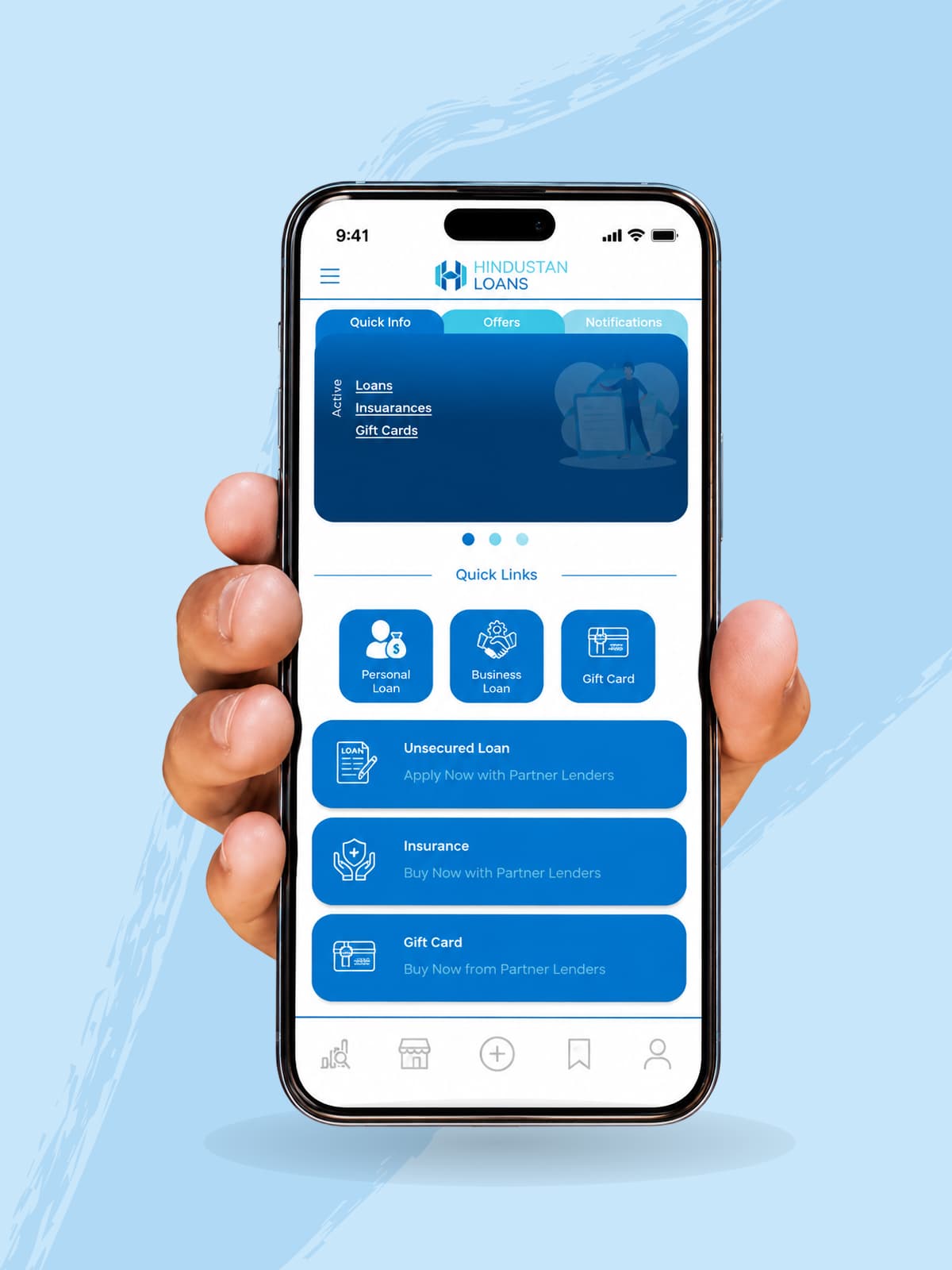
Fintech & BankingApplication handling, reconciliation, KYC workflowsHindustan Loan · Quickchain
Legal-TechDocument intake, case data, filing workflowsActivePass · DigitsLaw · Gavel Auctions
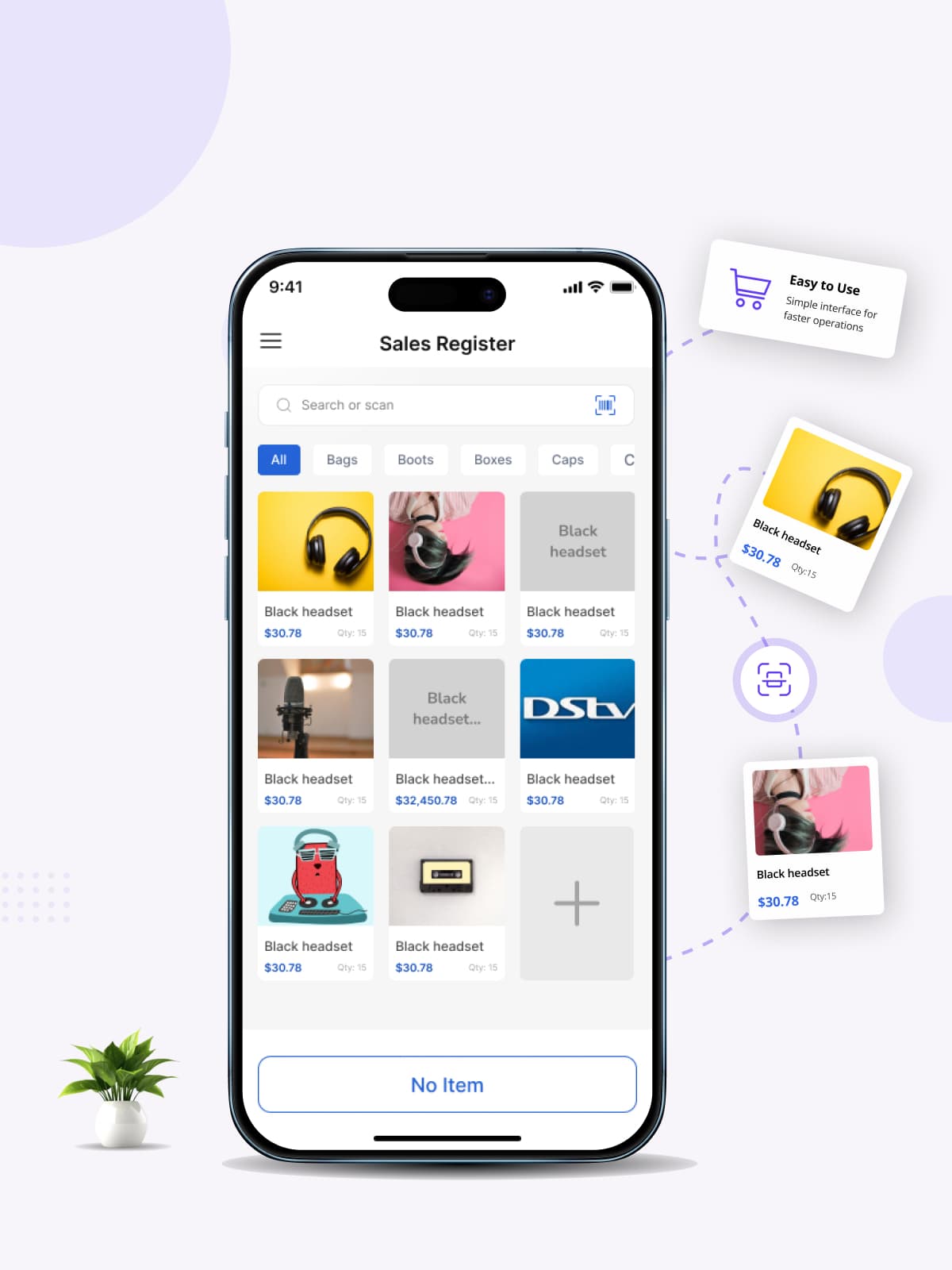
Retail, POS & E-commerceOrder and invoice processing, stock alerts, supplier adminVencru · Vencru POS
Energy & UtilitiesField reporting, asset tracking, inspection workflowsTata Power SolaRoof
Logistics & Field OperationsDispatch, job assignment, field data captureTata Power SolaRoof (field module) · Companion App
Events, Media & CommunityPublishing workflows, moderation queuesPray the Bible admin
Healthcare & WellnessPatient admin, records handling, schedulingNo claim made
Real Estate & PropTechListing admin, enquiry routing, tenant workflowsNo claim made
EdTech & TrainingEnrolment, assessment admin, learner follow-upNo claim made

What clients say

Great work Anand on building this app from scratch. Looking forward to more projects with you.

This was a long and complicated project. However, Anand executed it flawlessly. He was patient with the requirements, was a fast learner in situations where he encountered something new and was a great and prompt communicator.

Anand did a great job in flutter development. He is well versed in several coding languages and provided the solution I needed. Is very good at communicating as well.

What these prove and what they do not. None of the 54 client reviews on our Upwork profile is for an automation project by name. They are app and product builds, and we are not relabelling them. 54 reviews and a 100% Job Success Score on a platform we do not control tell you we finish what we start and that the requirements survive contact with reality. They do not tell you we have a published automation track record. That is what the case studies above are for.

Frequently asked questions

Do we have to replace our current software?

No. We connect to what you already use. See what we automate.

Why can't we just use Zapier or Power Automate?

Often you can, and we will tell you so. Real prices for all six main tools, when buying beats building, and the arithmetic to work it out yourself, including the part where the answer is keep the tool.

Will this replace our staff?

It removes the repetitive part of the work. In practice teams handle more volume rather than shrink. We are not going to promise a headcount saving we cannot measure, and if that is the only reason for the project, the numbers usually disappoint.

How long does the first automation take?

30 days from the start of the build, after a free 30 minute fit call. Week by week.

What does it cost to run every month?

Hosting, any third-party licence, and maintenance if you want it, stated in writing in every proposal, at your real volume rather than the entry tier. Rules-based automation has no per-use model cost, which is the main reason it is cheaper than the AI version.

What if the process changes later?

We build it so it can be changed, and the rules are handed over in readable form so your own team can adjust the simple things. The monthly plan covers the rest. If your process is still moving right now, wait.

Will we be locked in to you?

No. Code, rules and documentation are yours, the accounts are in your name, notice is 30 days, and the handover is recorded. All seven commitments.

Our staff are not technical. Will they cope?

That is the part most of these projects get wrong. We map the process with the people who actually do the work, run the automation alongside them before it replaces them, and train the real users in a session they keep a recording of. Two published adoption numbers.

Do we need AI for this?

Probably not, and that is good news. Rules are cheaper, faster and give the same answer every time. AI earns its place only where the input is genuinely messy: free text, scanned documents, exceptions. See AI Agents & Automation for where the line falls.

What if it breaks at 2am?

Rules-based automation fails loudly and predictably, which is one of its advantages. You get alerting, a full log, and a manual override so the work can still be done by hand while it is fixed. Response times depend on the plan you are on, and we will write them down rather than imply them.

Can you automate something that involves reading documents or emails?

Partly. If the documents are consistent, rules handle them. If they are messy, scanned, handwritten, free text, every supplier's invoice a different shape, that needs AI Agents & Automation, and it costs more. We will tell you which one your documents are before you commit.

How do we know it is actually saving anything?

Because we measure the same number before and after. Days 1 to 5 are a baseline: hours per week, cost per month, error rate. If we cannot measure the process, we say so before you spend anything. An unmeasurable saving is not a saving.

Who owns the code?

You do, on final payment, on accounts in your name.

We are a small business. Is this worth it for us?

Sometimes yes, often no, and we will be honest about which. There is no minimum contract size here, but there is a minimum volume where a build pays for itself. See section on when to say no.

Have something in mind

Tell us the problem. We bring the engineering.

A short call, an honest answer on whether we are the right team, and a scope you can hold us to.

Start a project