
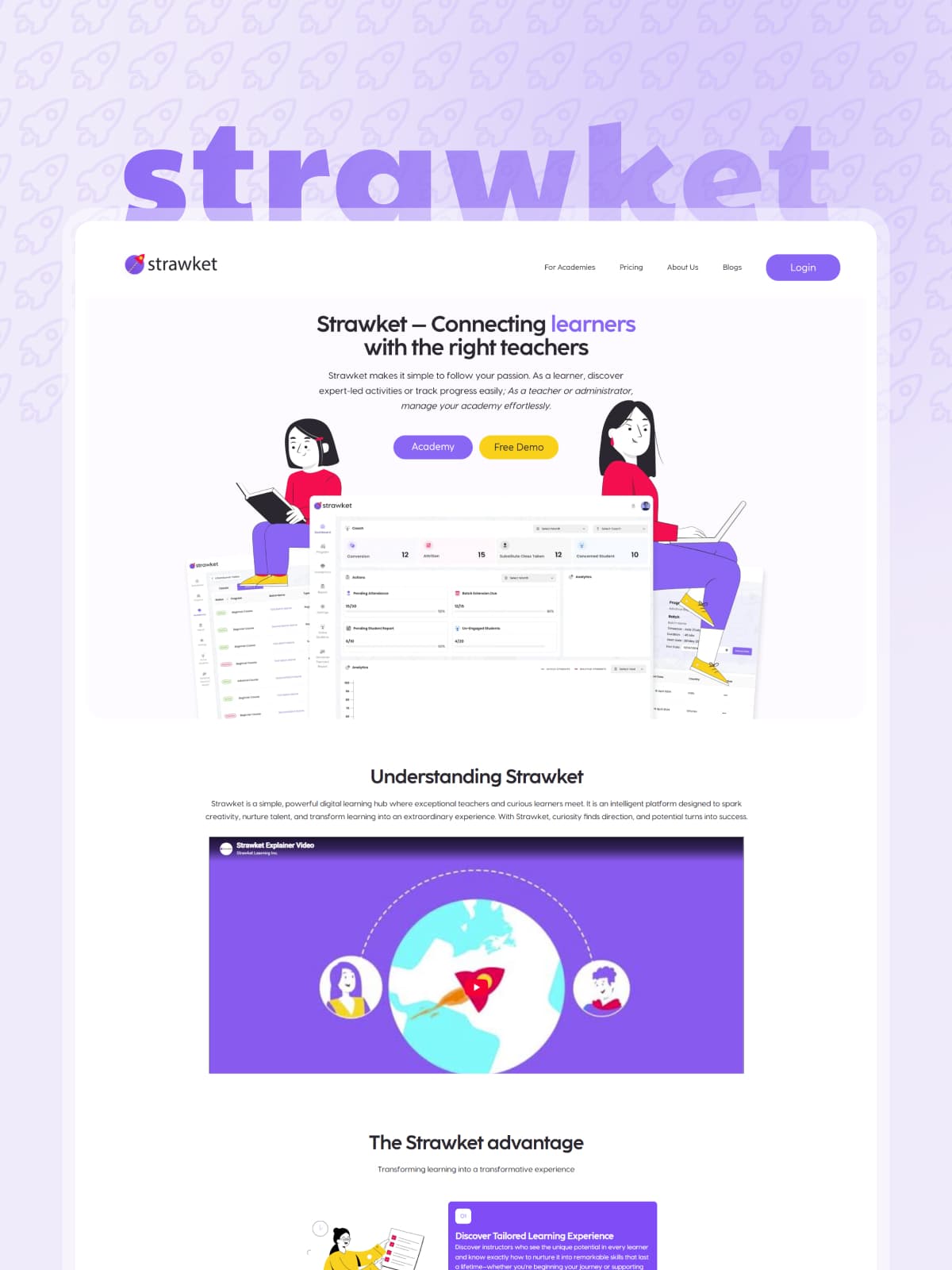
Low-Code / No-Code Builds
Sometimes you don’t need a custom app. You need something working next week.
Low-Code and No-Code App Development
For internal tools, simple products, and ideas that need to be real before they need to be perfect. We will tell you honestly when this is the right call, and we will tell you what it costs to leave, before you arrive.
Not every idea justifies a custom build. If you need an internal tool for a small team, a simple app with standard features, or a working version of an idea to put in front of users or investors, a low-code platform will get you there in a fraction of the time and cost.
It is also a real ceiling for the wrong project, and the industry that sells it is not in the habit of telling you where the ceiling is. So this page does something the other ones do not: it tells you what the platforms actually cost to run, what you can and cannot take with you when you leave, and which of them will get your app rejected by Apple if the submission is handled the way most agencies handle it.
04 · Is this you?
When this is the right choice, and when it is not
Low-code is probably right
An internal tool for a small team
A simple app with standard features and no unusual requirements
Testing an idea before committing to a custom build
A hard deadline a custom build cannot meet
A process you want to automate without a development project
A demo you need in front of investors this month
Low-code is probably wrong
Heavy device features: camera processing, offline-first, background work, Bluetooth
Thousands of users, or growth you cannot predict
Strict security or regulatory requirements
Anything where performance is part of the product
A product where the app itself is the business
Anything you expect to still be running unchanged in five years
The right-hand column is not a sales tactic. In those cases the platform becomes the ceiling and you pay twice: once for the low-code version and again for the rebuild. We would rather lose the job than sell you the first half of that.
Who you’ll actually work with

Anand Yadav
Founder, SightInfusion Infotech7+ years52+ apps and products deliveredUpwork Top Rated100% Job Success across 54 reviews
I build custom apps for a living. A custom build bills more than a low-code build, so you should be suspicious of my opinion here. That is exactly why I want to be plain about it.
Low-code is genuinely good now. It is the right answer more often than most agencies will admit, and I have talked people out of six-figure builds that a $200-a-month tool would have handled. I have also seen someone spend a year on a platform they could not export from, and then pay for the whole thing again.
So the deal is this: before you commit, I will tell you what the platform costs to run for a year, whether you can take the code with you, and what a custom rebuild would cost if you outgrow it. All three, up front, in writing. Then you decide.
What usually goes wrong
What clients say, and what it actually means
“We built the whole MVP ourselves in a no-code tool, it just needs a professional look at it now.”
What it meansNobody had checked whether the no-code platform could actually carry the app past launch.
“We do not want to be locked into a no-code platform forever.”
What it meansNobody had planned the exit before they built the entrance.
“It works, we just do not understand why it is suddenly slow.”
What it meansNobody was watching what happens once real users, not test data, hit it.
06 · Deliverables
What you actually receive
| What you get | Detail |
|---|---|
| A Fit Assessment, before anything is built | One page: build it low-code, build it custom, or don’t build it. With the reason. Free. See § 09. |
| A 12-month running cost estimate | Not just the build price. What the platform will cost you over a year, including what happens when usage grows. Nobody in this category does this. § 10. |
| A written exit number | What a custom rebuild would cost, estimated at the start, before you commit to the low-code version. § 12. |
| Everything in your own accounts | Platform, hosting, database, domain, and (this one matters) your own Apple Developer and Google Play accounts. § 08 explains why that is not optional. |
| Exported code where the platform allows it | FlutterFlow exports a real Flutter project. Some platforms export nothing. The table in § 07 tells you which is which before you choose. |
| Documentation and a training session for your team | So you can make small changes yourself rather than paying us for every edit. This is a deliberate reduction in our own retainer revenue, and it is the correct way to sell this service. |
| A named person, and a handover | Who built it, how it is put together, and what to do next. |
Picking the tool
Low code is a shortcut, and shortcuts have edges
It is the fastest route to a working internal tool and the slowest route to a product with real scale. The assessment below is about telling those two apart before you commit.

09 · Find out before you spend
The Fit Assessment
One call, plus a one-page written answer. Free.
| Question | Answer |
|---|---|
| What it costs | Nothing. This is the one thing on our site we do not charge for, and the design note below explains why. |
| How long | A 30-minute call, then the written answer within two working days. |
| What you get | One page: build it low-code, build it custom, or don’t build it. With the reason, the platform recommendation if there is one, the 12-month running cost estimate, and the custom rebuild number from § 12. |
| What we need | What the thing has to do, who uses it, roughly how many of them, and your deadline. |
| If the answer is “custom” | We tell you, and you can take that answer to anyone. Plenty of people do. |
Why this one is free when our other audits are not. Everywhere else on this site, a diagnostic is a fixed-price product credited back against the work, because reading a codebase properly takes five days, and a free version would be a sales pitch instead of an analysis. This is different: the assessment here is a judgement about scope, not an investigation of an existing system, and it takes an hour rather than a week. Charging for an hour would put a toll booth in front of the only page whose main job is to tell people not to buy.
11 · What we build with
What we build with
| Category | Tools |
|---|---|
| App platforms | FlutterFlow (our default when the result has to reach a store), Bubble (web products where the exit is understood and accepted), Glide and Softr (internal tools with small user counts) |
| Data and backend | Airtable, Supabase, Firebase, the client’s existing database where one exists |
| Automation | n8n, Zapier, Make |
| Custom code, where the platform runs out of road | Almost every low-code build we do has some. Custom functions, an API integration the platform does not support, a native capability that needs real code. We write it, we document it, and we tell you who maintains it. |
On that last row.“No-code” projects are rarely entirely no-code, and the custom parts are where the maintenance risk lives, because they are the parts a platform update can break and the parts your team cannot edit in the visual builder. We will tell you exactly which pieces those are and hand you the code for them.
12 · Ownership, and what leaving costs
Built to be handed over. Including to somebody else.
Every account is in your name, on your billing, from day one: the platform, the database, the domain, and the Apple Developer and Google Play accounts. We hold access.
Where the platform can export code, we export it and hand it over. Where it cannot, we tell you that before you choose the platform, not after. § 07 has the table.
You get the documentation and a training session, so your team can make small changes without us.
We will quote the custom rebuild cost at the start. Before you commit to the low-code version, you get an estimate of what replacing it with a custom build would cost. That number is the honest price of this decision, and you should have it while you are still making it.
30 days’ notice. No exit fee. Written handover included, and we will do a handover call with whoever takes over, including a competitor.
A low-code build should have a known exit from the day it starts. If nobody has told you what leaving costs, you have not been sold a tool. You have been sold a dependency.
Where we have shipped
Industries we serve

CRM, HR & Internal Business ToolsThe natural home for this service. Dashboards, approval flows, staff and workflow tools.

Logistics & Field OperationsField-staff tools, offline-tolerant workflows, multi-language.

Retail, POS & E-commerceSmall-business billing, inventory and invoicing tools.

Events, Media & CommunityLower-budget apps where speed matters more than depth. A good fit for this service.

Fintech & BankingOur strongest sector overall, and usually the wrong fit for this page. Regulatory and security requirements normally put these builds in the custom column.

Healthcare & WellnessWe want this work. No published healthcare case study yet, so we make no claim, and patient data usually pushes this work to custom too.

Real Estate & PropTechOpen to it, no case study yet.

EdTech & TrainingSame.
14 · Process
How the work runs
Fit call
What it has to do, who uses it, how many, and when you need it. Free.
30 min
Fit Assessment
One page: low-code, custom, or don’t build it. With the platform recommendation, the 12-month running cost, and the custom rebuild number.
2 working days
Platform and account setup
Everything created in your name, including your Apple Developer and Google Play accounts. § 08.
2 to 3 days
Build
Working software you can look at from the first week, not a reveal at the end.
2 to 4 weeks
The custom bits
The functions and integrations the platform cannot do. Written, documented, handed over.
Included
Store submission, if it is going to a store
Submitted from your account, with the 4.2 and 4.2.6 checks done before we upload rather than after a rejection.
3 to 7 days
Training your team
So you can make small changes yourself.
2 hours
Handover
Exported code where the platform allows, documentation, credentials, known limits, and what to watch as usage grows.
Included
16 · How we work together
How we work together
| Model | Best for | Price |
|---|---|---|
| Fit Assessment | You want a straight answer before spending anything. | Free |
| Prototype or demo | Something real to put in front of investors, users or a board, fast. | Price band needed |
| Fixed-price build | A defined internal tool or simple app. The most common choice on this page. | Price band needed |
| Build then hand over | We build it, train your team, and step back. You maintain it. | Build price + training |
| Small monthly support | You would rather we kept an eye on it. Deliberately small. If you need a real retainer, that is Mobile App Maintenance & Optimization. | Price band needed |
No minimum contract size. We take small jobs. That is what this page is for.
WALL OF PROOF
What clients say once the project is over
The SightInfusion team delivered our app with impressive speed, clear communication, and reliable quality. Every detail was handled thoughtfully, and the final result exceeded expectations. A professional team we're excited to work with again soon.
Working with SightInfusion was a smooth and professional experience. The team was proactive, technically strong, and always transparent with updates. Our finance app was delivered on time with great care. We look forward to future projects together.
SightInfusion handled our complex project with patience, expertise, and consistent communication. Their team learns fast, solves challenges quickly, and delivers dependable results. A skilled, trustworthy team we'll confidently partner with again in the future.
18 · Standards
Our standards
Your accounts, always. Platform, data, domain, and both store accounts in your name from day one. Not transferred at the end. Created that way at the start.
The exit is priced before the entrance. The custom rebuild estimate is in the Fit Assessment, before you commit.
The custom code is documented and handed over. Including which parts a platform update could break.
We check store guidelines before we build, not after we submit. 4.2 and 4.2.6 in particular. § 08.
We say no in writing. If the assessment says custom, or says don’t build it, you get that in writing with the reason, not a softer version on a call.
Accessibility is checked on what we build. Contrast, text size, labels. Low-code platforms make this easy to ignore and easy to fix.
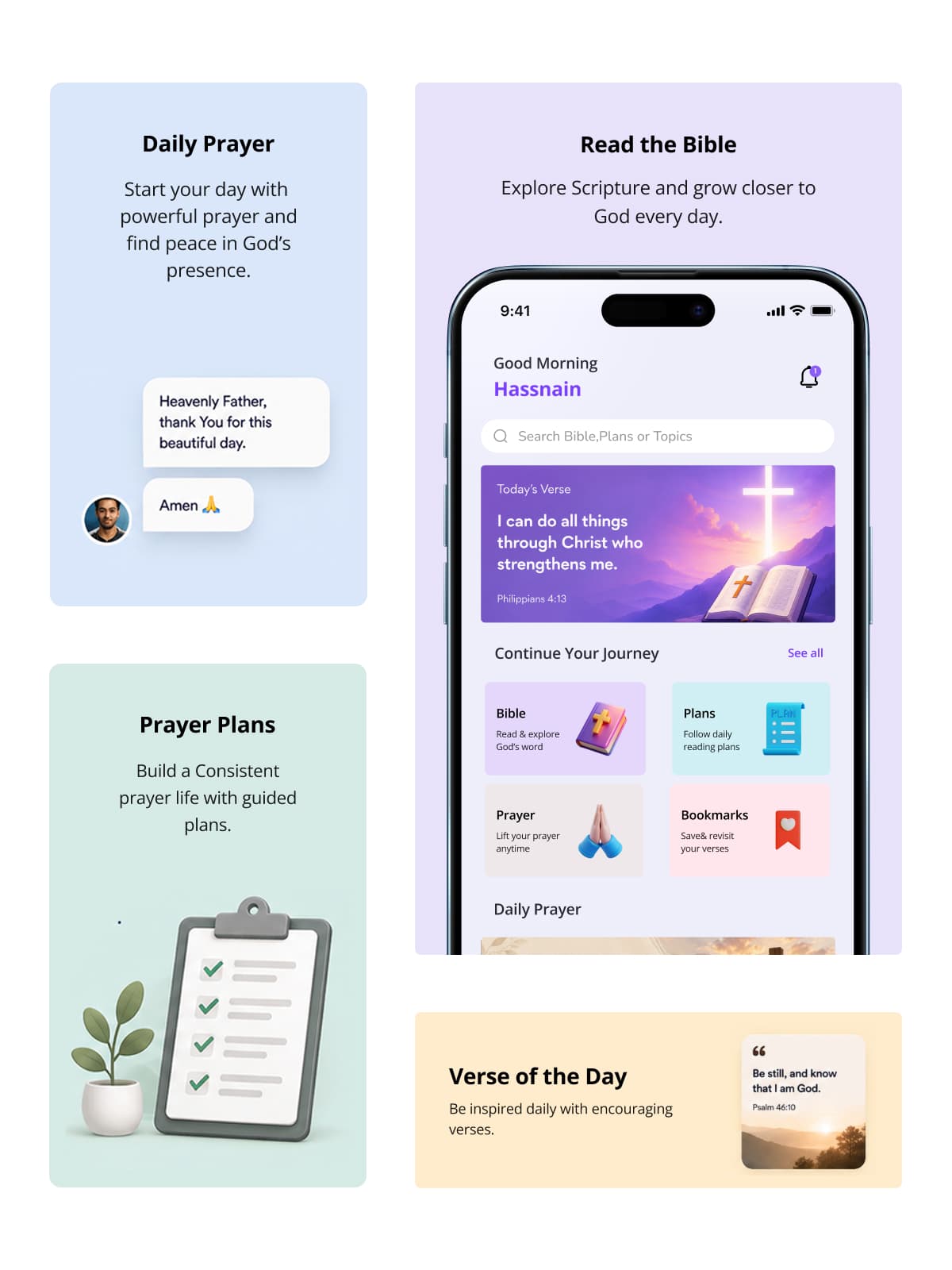
Pray the Bible
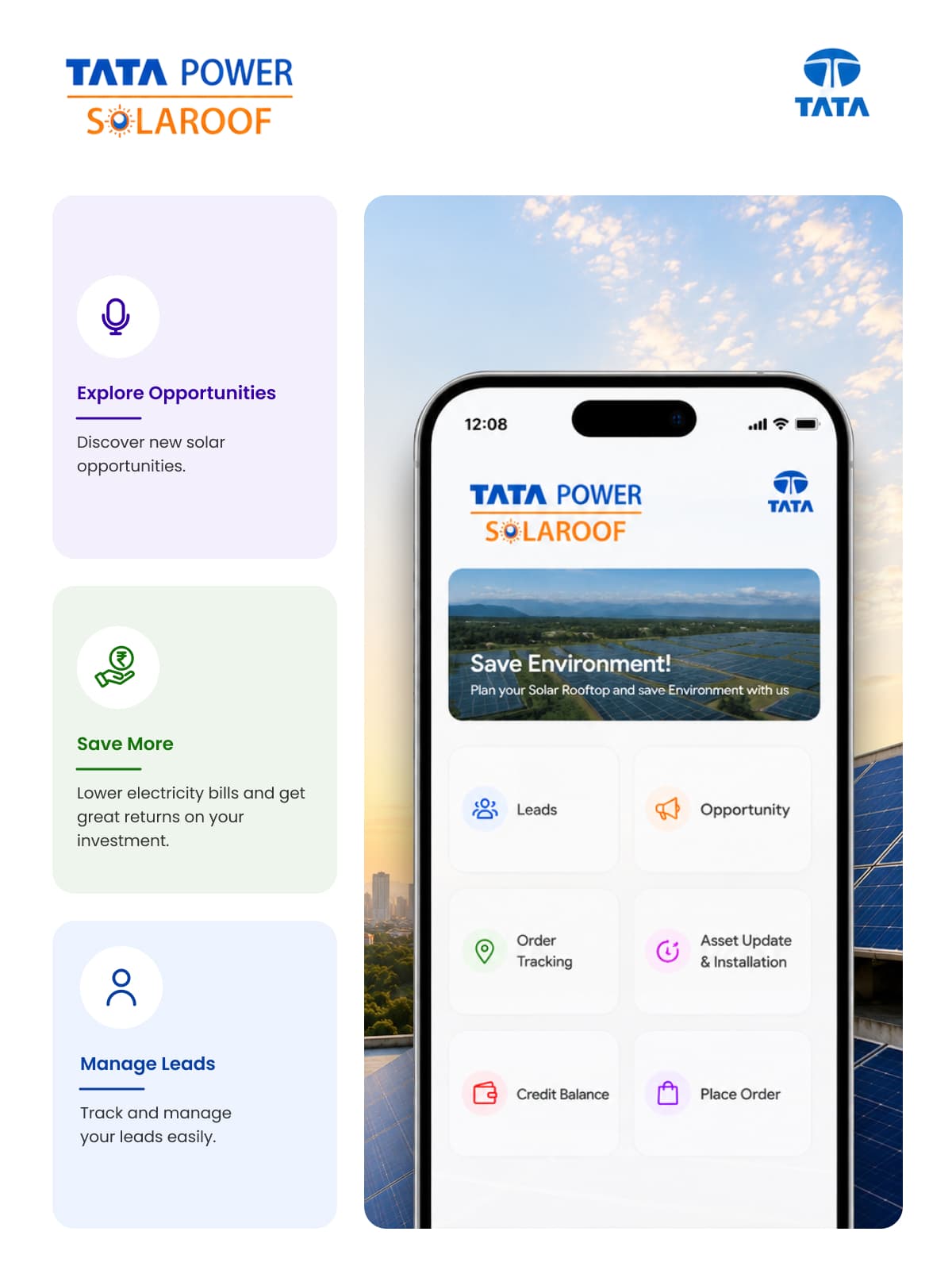
Tata Power SolaRoof
20 · Questions
Questions
How fast is it, really?
Most builds on this page are live in 2 to 4 weeks, and you will see working software in the first week rather than at the end. The Fit Assessment comes back within two working days of the call.
Is it cheaper?
Considerably, for the right kind of project. For the wrong kind it is more expensive in the end, because you pay for the low-code version and then for the rebuild. That is what § 04 and the Fit Assessment are for.
Can we move to a custom build later?
Yes, and how painful that is depends entirely on the platform, which is why we tell you before you pick one. FlutterFlow exports a real Flutter project that a developer can carry on with. Bubble does not export code at all, in Bubble’s own words, so leaving Bubble means rebuilding rather than migrating. The table in § 07 covers each platform.
Do we own it?
Yes. Every account is in your name from day one: platform, data, domain, and both store accounts. Where the platform can export code, you get the code.
Why does it matter whose Apple Developer account it goes in?
Because Apple’s guideline 4.2.6 says apps built from a template or app-generation service will be rejected unless they are submitted directly by the provider of the app’s content. In practice: the app has to come from your account, not your agency’s. Some agencies submit client apps from their own account because it is easier, and it is a rejection waiting to happen. Full detail in § 08.
Will Apple reject a no-code app?
It can, and the guideline that catches it most often is 4.2, minimum functionality. Apple’s wording is that an app should have “features, content, and UI that elevate it beyond a repackaged website”, and that if it is not “particularly useful, unique, or ‘app-like’”, it does not belong on the App Store. That is a real risk for platforms that essentially produce a web app inside a wrapper. We check what the platform actually produces before we recommend it, and if the honest answer is “ship this as a web app and skip the store”, we will say so.
What does it cost to run each month?
That depends on the platform and on your usage, and it is the question this industry avoids. Some platforms bill per seat, which is predictable. Some bill by usage, which is not: Bubble’s workload units are pay-as-you-go and uncapped by default, and there are documented cases of a single bad loop costing around a thousand dollars in a day. Every proposal we send carries a 12-month running cost estimate and a recommended cap. § 10.
What happens if the app becomes successful?
On a usage-priced platform, success costs more than failure. This is the most common way a good low-code decision turns into a bad one, and it is why we give you the custom rebuild number at the start, so that the moment to switch is a planned decision rather than a surprise invoice.
Is low-code good enough for a real product?
For a lot of real products, yes. For a product where the app is the business, where performance is part of what you sell, or where you have unpredictable growth or strict regulatory requirements, no. § 04 is the honest list and we apply it to your project, not in general.
Can you do the parts the platform can’t?
Yes, and almost every build needs some. Custom functions, an integration the platform does not support, a native capability. We write it, document it, and tell you which pieces a platform update could break.
Will you tell us if we shouldn’t do this?
Yes, in writing, with the reason. It happens often. That is the whole point of the Fit Assessment being free.
Do you charge for the Fit Assessment?
No. Our other audits are paid because reading an existing codebase properly takes days; this one is a scoping conversation and takes an hour. Charging for it would put a toll booth in front of the page whose main job is to tell people not to buy.
Is it true that most new apps are built with low-code now?
You will see a widely-quoted claim that 70% of new applications would use low-code or no-code by 2025, usually attributed to Gartner. We went looking for it so we could cite it properly and could not find it in any Gartner release. What Gartner has actually published is different in kind: market-size and growth figures for low-code technologies, and a forecast about where low-code buyers would come from, not a share of all new applications. We are not going to use a number we cannot source, even one that helps us sell this page.


Have something in mind
Tell us the problem. We bring the engineering.
A short call, an honest answer on whether we are the right team, and a scope you can hold us to.
Start a project